China Best Aesthetic Beauty Trends You Should Know?
The aesthetic beauty industry in China has witnessed explosive growth in recent years. According to a report by Research and Markets, the market is projected to reach $47 billion by 2025. This surge is driven by the rising demand for non-invasive beauty treatments and the influence of social media. As consumers become more aware of their appearance, they seek effective solutions to enhance their aesthetic beauty.
Expert in aesthetic beauty, Dr. Lily Chen, emphasizes, "The beauty industry in China is evolving. Consumers are more informed and discerning." This highlights a trend towards personalized beauty solutions. However, the rapid changes can lead to misinformation and unrealistic expectations. As trends come and go, staying grounded is vital.
Many new treatments promise quick results but may fall short in efficacy. Consumers should research and consider their own needs before jumping on every trend. The aesthetic beauty landscape is vibrant but requires careful navigation for lasting results.
China's Rise in Aesthetic Beauty Trends: An Overview
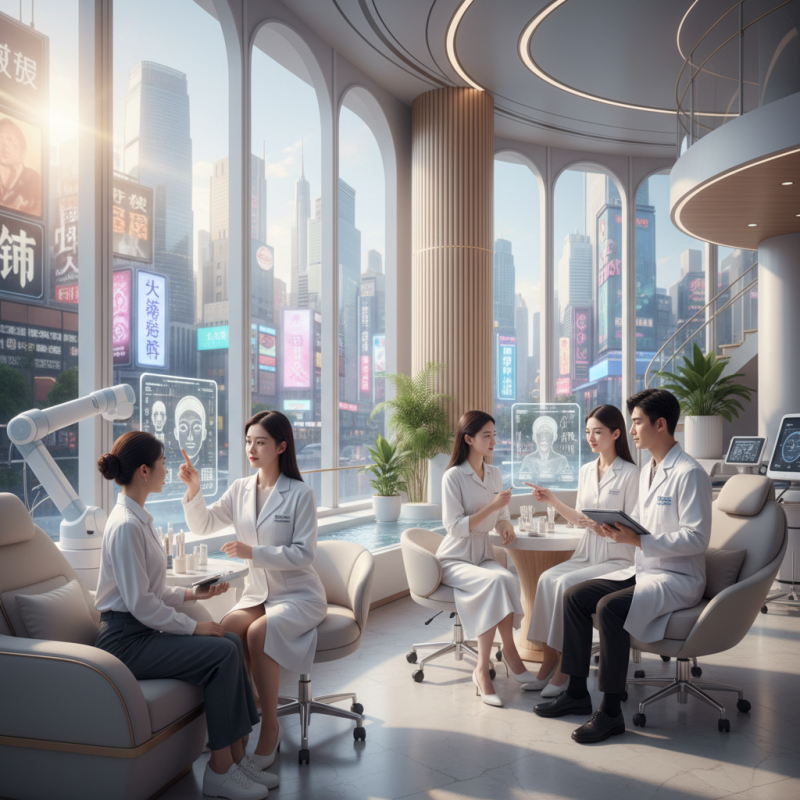
China is emerging as a hub for aesthetic beauty trends, reflecting a blend of traditional values and modern influences. The appreciation for natural beauty is growing, with many seeking treatments that enhance rather than alter their features. This trend aligns with a global shift towards minimalism and authenticity in beauty standards.
When exploring aesthetic beauty, consider these tips: prioritize treatments that promote skin health, such as hydration and gentle exfoliation. Research local options that focus on holistic well-being. Whole-body wellness often leads to a radiant appearance. Remember, perfect skin is a myth. Embrace your uniqueness, even if that means showing some imperfections.
Social media plays a huge role in shaping these trends. Platforms showcase diverse beauty ideals, sparking conversations about self-acceptance. Engaging with these communities can offer insights and support. However, be wary of unrealistic portrayals. Many filters mask reality, leading to unattainable beauty standards. Balance inspiration from digital spaces with a grounded view of self-worth and beauty.
The Influence of Traditional Chinese Medicine on Modern Aesthetics
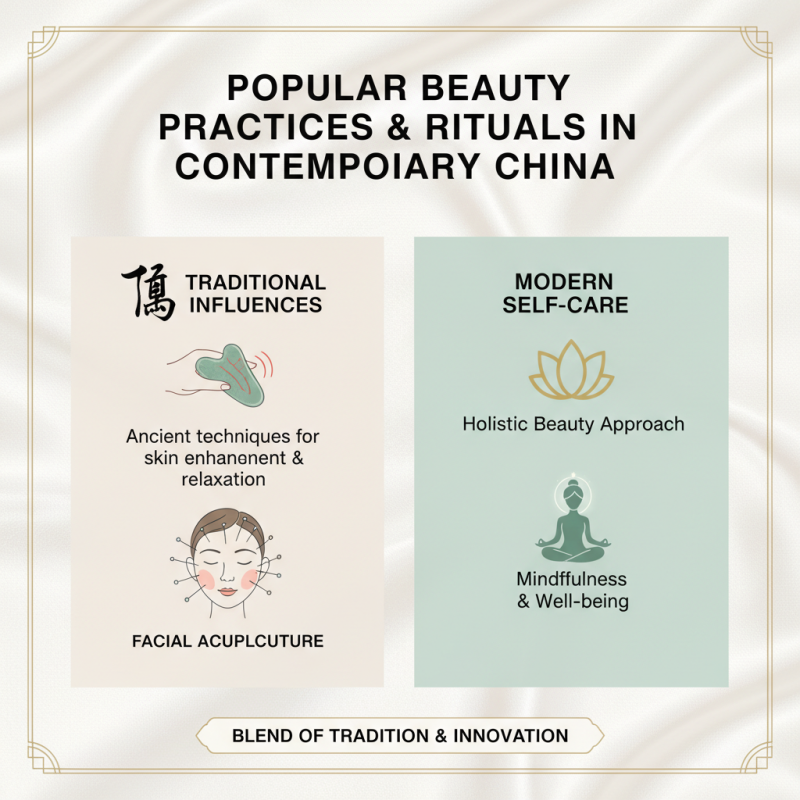
The influence of Traditional Chinese Medicine (TCM) on modern aesthetics is profound and far-reaching. TCM emphasizes balance and harmony in the body, believing that internal health reflects external beauty. This philosophy is rooted in thousands of years of practice, guiding beauty rituals that prioritize nourishment. Herbal ingredients like ginseng and goji berries are often included in beauty products for their rejuvenating properties. These natural elements promote glowing skin and holistic wellness.
In recent years, modern beauty trends have embraced TCM practices. Acupuncture facials, for instance, are gaining popularity. This technique is said to activate collagen production, improving skin elasticity and tone. Many practitioners believe in the power of facial gua sha to reduce puffiness and enhance circulation. These methods reflect a shift toward natural, less invasive beauty solutions. However, results can vary significantly from person to person.
While TCM provides ancient wisdom, not every approach works universally. Some may find certain treatments uncomfortable or ineffective. The beauty industry continually adapts TCM principles but not all practitioners possess the same level of expertise. It is essential to research and consult trusted professionals when exploring these options. Balancing tradition with modern science can lead to remarkable results, but it requires careful consideration.
Emerging Skincare Products and Ingredients Gaining Popularity
In recent years, the skincare market in China has experienced remarkable growth. According to data from GlobalData, the skincare sector is projected to reach approximately $57 billion by 2025. This surge indicates a growing awareness of skincare health among consumers.
Emerging ingredients like niacinamide and snail mucin are gaining traction. These ingredients promise hydration and skin barrier support. A report by Statista shows that niacinamide has seen a 30% increase in consumer interest over the past year. It’s known for its anti-aging benefits and ability to reduce hyperpigmentation. On the other hand, snail mucin is valued for its unique regenerative properties, appealing to those seeking natural solutions.
Despite this trend, there are challenges too. Many consumers face confusion over ingredient efficacy. Some products may not deliver the promised results. The lack of understanding around active ingredients often leads to disappointment. A study from Nielsen reveals that 60% of consumers are unsure about what works for their skin type. This scenario calls for more education around skincare routines and ingredient benefits. Balancing new trends with reliable product knowledge remains crucial for informed decision-making in this booming market.
China Best Aesthetic Beauty Trends You Should Know
| Trend |
Description |
Popular Ingredients |
Consumer Focus |
| Hydration Boosting |
Products designed to deeply hydrate the skin, targeting dryness and promoting moisture retention. |
Hyaluronic Acid, Glycerin |
Individuals with dry skin, aging concerns. |
| Clean Beauty |
Focus on products free from harmful chemicals and environmentally sustainable. |
Natural Oils, Plant Extracts |
Eco-conscious consumers, sensitive skin users. |
| Skin Barrier Protection |
Emphasizing products that strengthen the skin's natural barrier. |
Ceramides, Peptides |
Individuals with compromised skin barrier, acne-prone skin. |
| Microbiome Skincare |
Products aimed at balancing the skin's microbiome for better health. |
Probiotics, Fermented Ingredients |
Users with skin sensitivity, seeking holistic skincare. |
| Personalized Beauty |
Customization of skincare products based on individual skin needs. |
Biotech Ingredients, Tailored Formulations |
Consumers looking for tailored skincare solutions. |
Social Media's Role in Shaping Beauty Trends in China
Social media significantly shapes beauty trends in China. Platforms like WeChat, Weibo, and Douyin create trends that spread quickly. Online influencers share tips, tutorials, and product recommendations, impacting how beauty is perceived. These influencers are often seen as authorities, but not all of their advice is reliable. It’s important to approach their recommendations critically.
Tips: Follow diverse influencers. Look for those who promote authenticity and share real experiences. This can help you find trends that resonate with your style. Stay informed about popular hashtags to discover emerging beauty trends. Engage with comments and discussions, as they can provide new perspectives.
Many beauty trends emphasize flawless skin and bold makeup. However, the pursuit of perfection can lead to stress. There’s pressure to conform. Recognize that beauty is subjective. What works for one may not work for another. Experiment with different looks and embrace imperfections. Real beauty often lies in authenticity, not just trends.