2026 Top Aesthetic Business Trends You Need to Know?
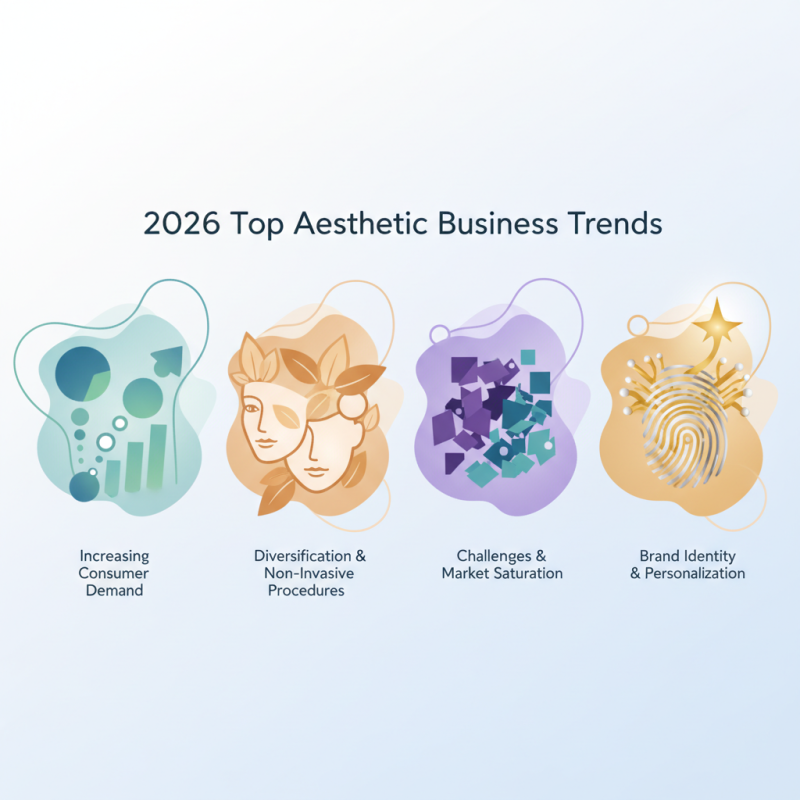
As the aesthetic business landscape evolves rapidly, understanding upcoming trends is vital. The global aesthetics market is projected to reach $24 billion by 2026, according to recent industry reports. This growth reflects increasing consumer demand for beauty and wellness services.
Aesthetic businesses are diversifying their offerings. Services that focus on self-care and mental wellness are gaining popularity. For example, more clients seek non-invasive procedures that enhance natural beauty without drastic changes. However, there are challenges. The rise of competition and market saturation requires brands to differentiate themselves effectively.
Establishing a unique brand identity is crucial for success. Many businesses struggle with finding their niche or understanding their target audience. It’s essential to adapt to ever-changing consumer preferences. The key will be to combine innovation with a personalized touch to thrive in this dynamic market. This is the essence of the aesthetic business today.
Emerging Aesthetic Business Models Shaping the Industry in 2026
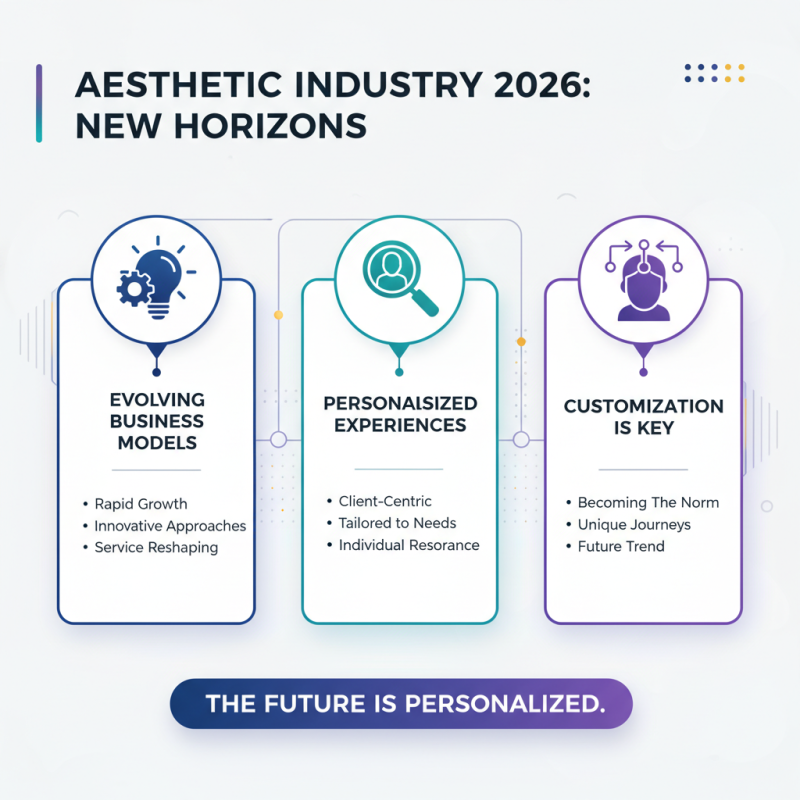
The aesthetic industry is evolving rapidly, driven by new business models. In 2026, innovative approaches will reshape how services are offered. Personalization is key. Clients seek tailored experiences that resonate with their individual needs. Trends show that customization will become a norm.
Emerging online platforms are facilitating appointments and consultations. Virtual reality and augmented reality could play a role in client interactions. These tools may enhance experiences, making them more engaging. However, businesses must consider tech's impact on personal connections. While convenience is important, a balance is essential. Clients still appreciate genuine human touch.
Tips for staying relevant include embracing technology. Invest in tools that simplify processes. Listen to customer feedback regularly. This helps refine your offerings. Always seek ways to improve. Reflect on your successes and mistakes. Adaptability will define the winners in the aesthetic business landscape of 2026.
Innovative Technologies Revolutionizing Aesthetic Services by 2026
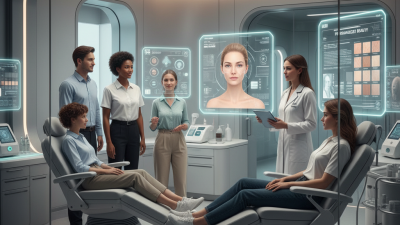
The aesthetic services industry is set to undergo a significant transformation by 2026. Innovative technologies are reshaping how clients receive treatments and engage with practitioners. Imagine self-service kiosks where clients can explore options, book treatments, and even monitor their progress. These kiosks might feel futuristic but could become commonplace in salons and clinics.
Artificial intelligence will play a crucial role in personalizing services. AI-driven skin analysis tools can assess individual needs in real-time. They might suggest tailored treatments based on skin conditions and goals. However, there is a risk that reliance on technology could overshadow the human touch in aesthetic care. Human intuition remains invaluable, especially in understanding client concerns.
Virtual reality could introduce immersive consultations. Clients can visualize potential outcomes, creating excitement and comfort. However, an overreliance on such experiences might lead to unrealistic expectations. The balance between tech and personal connection needs careful thought. The aesthetic industry is evolving, but maintaining a human element is crucial for genuine client satisfaction.
2026 Top Aesthetic Business Trends You Need to Know
| Trend |
Description |
Expected Impact |
Technology Involved |
| Telehealth Aesthetics |
Remote consultations and follow-ups for aesthetic procedures. |
Increases access to services and convenience for clients. |
Video conferencing tools, AI diagnosis. |
| AI-Driven Personalization |
Customized treatment plans using AI analysis of individual skin types and conditions. |
Improves treatment efficacy and client satisfaction. |
Machine learning algorithms, data analytics. |
| Sustainable Practices |
Adoption of eco-friendly products and procedures. |
Attracts environmentally conscious clients. |
Biodegradable materials, sustainable sourcing. |
| Augmented Reality (AR) Previews |
Using AR to visualize aesthetic outcomes before procedures. |
Enhances client experience and informed decision-making. |
AR software, mobile applications. |
| Robotics in Procedures |
Utilization of robotic systems for precision in surgeries. |
Reduces human error and increases efficiency. |
Robotic surgery systems, AI controls. |
Consumer Preferences and Demands Influencing Aesthetic Trends by 2026
As we look toward 2026, aesthetic trends in various industries are largely shaped by consumer preferences and demands. Today’s consumers seek personalization. They want products that reflect their individual identity. This trend influences everything from beauty treatments to fashion. The focus is shifting toward experiences that resonate on a personal level.
Tip: Engage with your audience through surveys. Understand what they desire. Their feedback can refine your offerings to match their expectations.
Social media also plays a crucial role. Visual platforms drive trends in real-time. Influencers and peer opinions matter. However, trends can feel superficial. It's essential to balance popular culture with genuine quality. Consumers are becoming more skeptical. They question what they see online.
Tip: Be transparent about your business practices. Share your process and values. This builds trust and loyalty among customers.
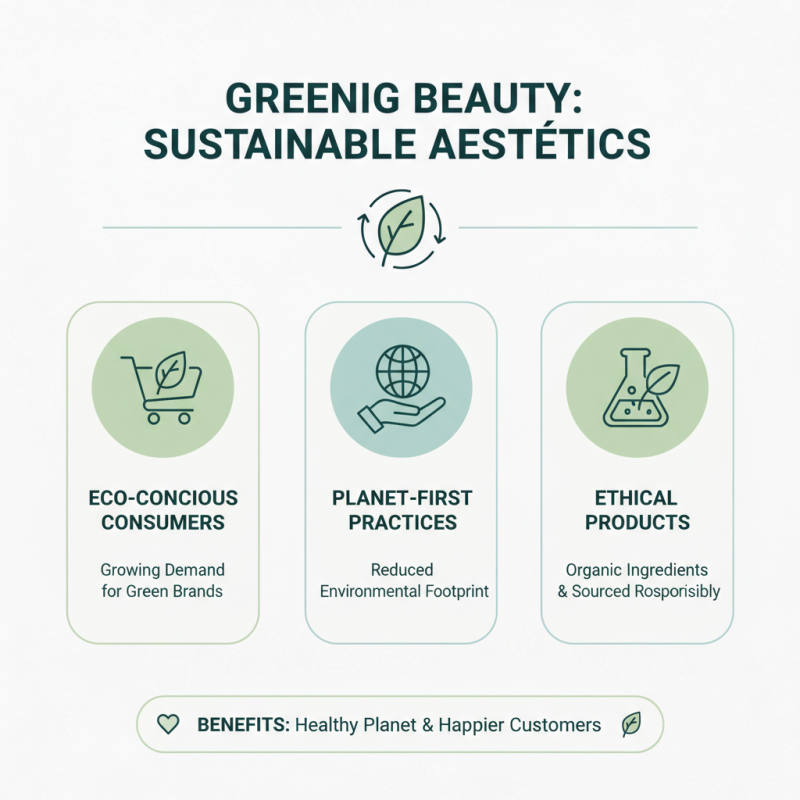
By 2026, consumers will likely demand even more sustainable and ethical practices. The aesthetic industry must adapt. Being mindful of environmental impact will become non-negotiable. Brands that ignore this shift may find themselves obsolete. Consider integrating sustainable materials or practices into your workflow. Innovation will be key to staying relevant.
Marketing Strategies for Aesthetic Businesses in the Evolving Landscape of 2026
As we approach 2026, aesthetic businesses must adapt their marketing strategies. The industry is evolving rapidly. According to recent reports, the global aesthetics market is projected to reach $16 billion by 2026. This growth will demand innovative marketing tactics.
Digital presence is crucial. Nearly 70% of potential clients conduct online research before choosing a service. Social media platforms have become essential for showcasing results. Engaging content can attract new clients. However, businesses often overlook the need for authentic storytelling. Highlighting real experiences can create deeper connections.
Moreover, personalization is key. Customers desire tailored experiences. According to a survey, 80% of consumers are more likely to purchase when brands offer personalized services. Aesthetic businesses need to invest in data analytics to understand client preferences. Yet, many still struggle to leverage these insights effectively. It's important to continuously evaluate and optimize these strategies as the market changes.