2026 Top Trends in Medical Cosmetics What to Expect?
As we move closer to 2026, the landscape of medical cosmetics is set to transform significantly. The industry continues to innovate, introducing advanced techniques and technologies that will redefine beauty standards. From non-invasive treatments to tailored skincare solutions, consumers are increasingly seeking medical-grade options for a radiant appearance.
Medical cosmetics embrace a scientific approach to beauty. As trends emerge, it is essential to reflect on their implications. For example, the rise of personalized treatments raises questions about accessibility and ethical considerations. While many seek perfection, the pursuit of flawless skin can sometimes lead to unrealistic expectations. Patients must remain aware of the importance of authenticity in beauty.
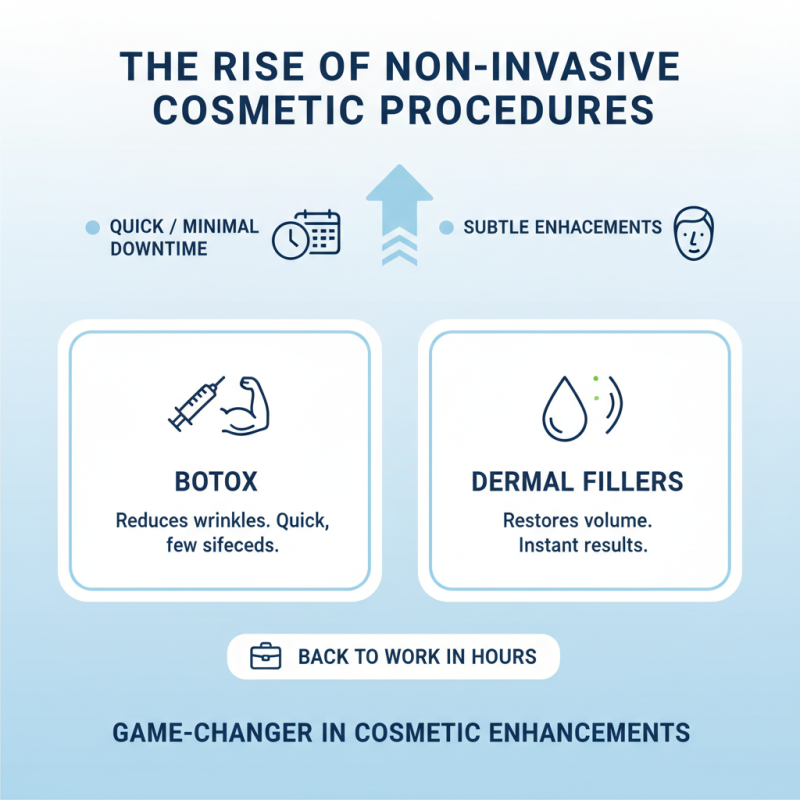
Every new trend offers opportunities but also challenges. For instance, the latest advancements in injectables promise quick results but may lack long-term effects. As medical cosmetics evolve, consumers must question the sustainability of these options. Balancing innovation with responsibility will shape the future of beauty.

Emergence of AI-Driven Personalization in Medical Aesthetics
The landscape of medical aesthetics is transforming. AI-driven personalization stands at the forefront of this change. Tailored treatments can now meet individual needs more effectively. This technology analyzes facial features, skin texture, and even age. It provides suggestions that are remarkably specific. Clients can expect natural results crafted just for them.
When considering treatments, assess your options carefully. Understand how AI evaluates your unique features. Consult with professionals who use this technology. A deeper understanding allows you to make informed choices. Personalization is not just about aesthetics; it should align with your health goals.
AI technology isn’t perfect. It may misinterpret data. This raises questions about trust and dependency. Regular feedback sessions can help enhance results and refine the process. Personal preferences should guide decisions. Encourage conversations about your expectations. Being involved ensures that you receive personalized care you truly deserve.
2026 Top Trends in Medical Cosmetics What to Expect?
| Trend |
Description |
Emergence Year |
Impact Level |
| AI-Driven Personalization |
Utilizing AI to tailor treatments based on individual skin types and preferences. |
2025 |
High |
| Sustainable Practices |
Focus on eco-friendly products and sustainable packaging in medical cosmetics. |
2026 |
Medium |
| Telemedicine Integration |
Expansion of virtual consultations for aesthetic procedures. |
2024 |
High |
| Augmented Reality Applications |
Use of AR for clients to visualize potential results before treatments. |
2025 |
Medium |
| Regenerative Medicine Advances |
Innovations in using stem cells and PRP for skin rejuvenation. |
2026 |
High |
Advancements in Skin Regeneration and Anti-Aging Treatments
As we look toward 2026, the field of medical cosmetics is evolving at an unprecedented pace. Recent reports indicate that the global anti-aging market is projected to reach over $300 billion by 2025. Skin regeneration treatments are at the forefront of this trend, leveraging advanced biotechnologies. New methods, such as stem cell therapy and exosome treatments, aim to enhance skin healing and reduce the signs of aging. These innovations promise significant improvements, but they require rigorous testing and ethical considerations.
In the pursuit of anti-aging solutions, the demand for natural ingredients is growing. Consumers are gravitating towards treatments that combine scientific efficacy with biocompatibility. Data suggests that around 70% of consumers prefer products that are plant-based or derived from natural sources. However, achieving optimal results can be challenging, as not all natural ingredients deliver the promised benefits. Moreover, the varying effectiveness of treatments calls for more comprehensive clinical trials to validate these claims.
Despite the excitement surrounding advancements, skepticism persists in the beauty community. Some treatments show inconsistent results, revealing a need for transparency. Professionals emphasize the importance of realistic expectations. Achieving flawless skin is a complex journey, requiring dedication and informed choices. The landscape of medical cosmetics is rife with possibilities, yet it also demands cautious optimism as we move forward.
Increased Emphasis on Sustainable and Ethical Cosmetic Products
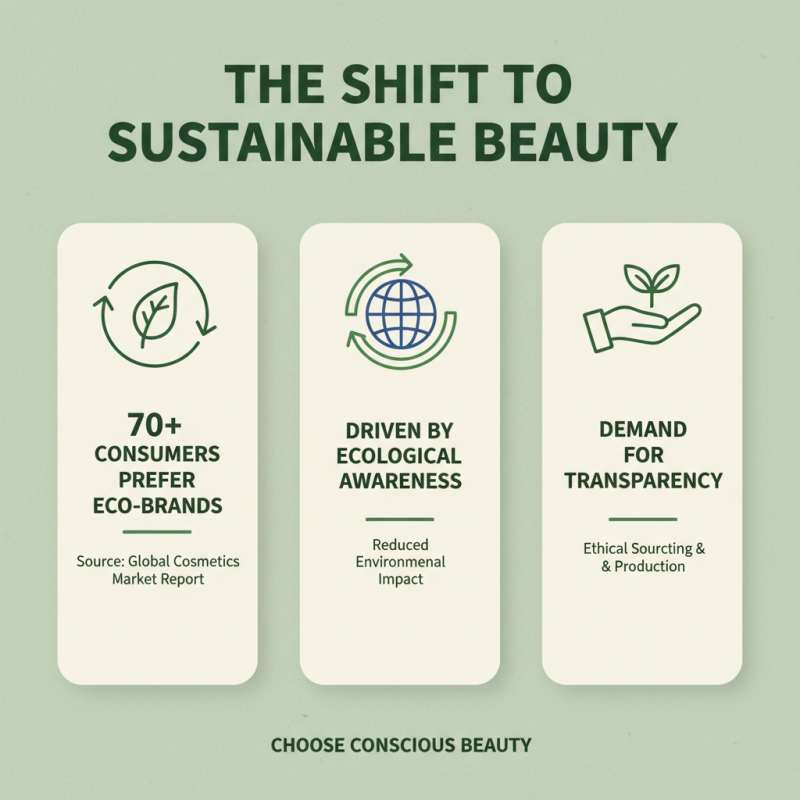
In recent years, there has been a growing demand for sustainable and ethical cosmetic products. A report by the Global Cosmetics Market indicated that over 70% of consumers prefer brands focused on environmental responsibility. This trend is driven by heightened awareness of ecological impacts. Shoppers now seek transparency in ingredient sourcing and production methods.
However, achieving true sustainability in medical cosmetics remains challenging. Many companies still rely on cheap, unsustainable ingredients amidst the push for eco-friendliness. Ethical commitments often fall short in practice. For example, while many brands tout their eco-friendly packaging, they may still use harmful chemicals in formulations. Hence, real change requires greater accountability and adherence to sustainable practices.
Moreover, the rise of regulatory scrutiny means that brands must tread carefully. Research shows that consumers are increasingly inclined to investigate brand claims. Inaccurate marketing can lead to mistrust. Companies must balance innovation with ethical responsibility. This nuanced landscape presents both opportunities and hurdles that demand thoughtful responses from the industry.
Integration of Telemedicine in Cosmetic Consultations and Treatments
Telemedicine has become a game-changer in cosmetic consultations. Patients can now connect with specialists from the comfort of their homes. Virtual consultations save time and eliminate the need for physical visits. However, this new model comes with its own challenges. Without in-person assessments, some nuances may be missed.
Security and privacy are also critical issues. Sharing personal information online raises concerns about data protection. Patients may hesitate to share details due to potential exposure. Moreover, technology literacy varies among patients. Not everyone is comfortable using video calls or apps.
Despite these concerns, telemedicine in cosmetic treatments remains promising. It offers accessibility to a wider audience. Innovations can help enhance the experience for both patients and professionals. But there will always be a need for in-person follow-ups. Balancing convenience and thorough assessment is vital for success.
2026 Top Trends in Medical Cosmetics: Integration of Telemedicine in Cosmetic Consultations and Treatments