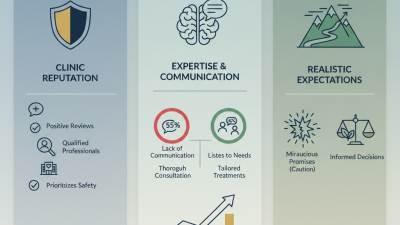

Choosing the right non surgical aesthetics courses can shape your confidence, clinical judgment, and patient safety. The choice deserves more than a quick look at price or a polished website. A course may promise advanced techniques, yet offer limited supervised practice. That gap matters.
Dr. Arthur Swift, a respected aesthetic physician and educator, has emphasized, “The best aesthetic results are those that look natural.” His principle applies to training as well as treatment. Strong education should teach careful consultation, facial anatomy, product knowledge, ethical communication, and realistic expectations. It should also explain adverse events and appropriate referral procedures. Safety cannot be reduced to a certificate.
Look closely at the faculty’s qualifications and current clinical experience. Ask how many learners attend each practical session. Check whether the course includes live demonstrations, hands-on assessment, and feedback from experienced trainers. Review the curriculum for injectables, skin treatments, device-based procedures, infection control, and emergency planning. Local professional requirements should also be considered.
A brochure proves little.
Learners sometimes choose courses because they look luxurious or affordable. That is understandable, but incomplete. A cheaper course may create expensive uncertainty later. An advanced course may also be unsuitable without foundational knowledge. Your existing skills, scope of practice, and learning goals should guide the decision.
These seven practical tips will help you compare non surgical aesthetics courses with greater care. They will not remove every uncertainty. Good training encourages questions, honest reflection, and continued learning rather than instant confidence.

Choosing a non-surgical aesthetics course starts with an honest career question: What do you want to provide, and to whom? You may prefer skin rejuvenation, wrinkle-relaxing treatments, dermal fillers, or device-based procedures. Each path requires different anatomy knowledge, consultation skills, and supervised practice. Write down your preferred treatments. Then compare them with your current qualification, local scope of practice, and realistic work setting. A busy clinic may demand speed. A private practice may demand broader assessment skills. Your answer can change.
Tip: Study the syllabus, not just the course title. Look for facial anatomy, patient selection, contraindications, consent, complication recognition, aftercare, and supervised assessment. Ask how many live models trainees treat, who supervises them, and what happens when something goes wrong. Vague answers are a warning sign. Request a sample timetable and trainer credentials. A polished website proves little.
Choose training that supports your actual goal, not an impressive certificate. If you want to treat pigmentation, an injectable-focused course may leave important gaps. If you hope to work with diverse clients, check whether teaching covers different skin tones and realistic case images. Notice whether instructors explain uncertainty. Safe practitioners sometimes pause, decline treatment, or refer a client. That can feel less confident, but it shows judgment. Review independent feedback, verify accreditation where applicable, and confirm continuing support after training. One weekend rarely creates competence. I used to underestimate that.
Tip 1 Verify the course accreditation before paying a deposit. A professional-looking certificate proves very little by itself. Check whether an independent education body or recognised professional organisation approves the programme. Ask for the accreditation number, approval period, and assessment requirements. Contact the accrediting organisation directly if the information seems unclear. This small step can prevent an expensive mistake.
Tip 2 Read the curriculum like a working practitioner. Strong training should cover facial anatomy, consultation, informed consent, infection prevention, contraindications, aftercare, and complication management. It should explain when to stop treatment and when to refer a client. Look for supervised practical sessions, not only recorded videos. A course promising confidence in one weekend deserves careful questioning. Real learning is rarely that simple.
Tip 3 Match the learning outcomes with your actual responsibilities. Outcomes should describe observable skills, such as completing a consultation, identifying risks, documenting treatment, and responding to an adverse event. Ask how competence is assessed. Is there an observed practical examination, written test, or tutor feedback? Speak with recent learners, but remember their experiences may be incomplete. I would also request a sample lesson and assessment rubric. Missing details are not always a warning sign, but they should make you pause. Accreditation, curriculum, and outcomes must support each other, rather than appear as separate promises.
7 Tips for Choosing Non Surgical Aesthetics Courses
Assess Trainer Expertise, Practical Training, and Safety Standards
A strong course begins with a trainer who has current clinical experience and relevant qualifications. Ask how often they practise, teach, and update their knowledge. Teaching experience matters too. A skilled practitioner may not be a skilled educator. Request clear evidence of training, professional registration, and continuing education.
Look for practical sessions with close supervision, suitable models, and realistic consultation exercises. You should practise assessment, treatment planning, documentation, and aftercare communication. Small class sizes usually allow better feedback. Watch how trainers correct mistakes. That moment can reveal more than polished advertising. A certificate alone is not enough.
Safety must be visible throughout the course. Check whether the syllabus covers anatomy, contraindications, hygiene, consent, privacy, complications, and emergency procedures. The learning environment should use appropriate equipment and documented infection-control processes. Ask what happens when a model is unsuitable. Responsible trainers should explain when to delay treatment or refer someone to another qualified professional. Be cautious if a course promises instant confidence or focuses only on technique. I would also review the assessment method, learner support, insurance expectations, and local professional requirements. Some programmes appear thorough but leave these details unclear. That deserves careful questioning.
Inspect the training facility before enrolling, not only its website photographs. Look for clean treatment rooms, adjustable couches, strong lighting, and clear hygiene procedures. Ask how many learners share each practical station. Smaller groups usually allow more supervised practice. Check whether instructors hold relevant clinical qualifications and maintain current professional training. Their teaching should include consultation, consent, contraindications, aftercare, and managing complications. Confirm that the course reflects local professional and regulatory requirements.
Equipment quality matters. Request details about the devices, models, maintenance records, and safety checks used during training. Training on outdated equipment may leave gaps in practical confidence. Ask whether you will practise on suitable models under direct supervision. Realistic case discussions are valuable. However, practical exposure alone does not prove competence. Look for written assessments and documented feedback. That detail is easy to overlook.
Compare the complete cost, including materials, assessment fees, insurance guidance, and optional modules. A low advertised price may exclude essential practical sessions. Read the refund and rescheduling terms carefully. Study flexibility also deserves close attention. Check evening dates, online theory, attendance rules, and the time allowed for practical completion. Recorded lessons sound convenient, but they cannot replace supervised hands-on assessment. Be honest about your schedule. I would rather choose a slower course with useful feedback than rush through attractive promises. Some providers may not explain every limitation clearly, so ask direct questions before paying.
Choosing a non-surgical aesthetics course requires more than attractive photos and weekend scheduling. The ISAPS 2023 Global Survey recorded over 19 million non-surgical procedures worldwide. Training quality now matters greatly.
Tip: Verify certification. Check the awarding body, assessment method, renewal rules, and practical requirements. A certificate without supervised assessment may offer limited professional value.
Tip: Inspect clinical teaching. Look for live models, consultation practice, anatomy review, hygiene training, and complication recognition. Online theory alone cannot reproduce the pressure of a real treatment room.
Tip: Question instructor expertise. Review clinical experience, teaching history, and current professional registration. Experienced educators should explain when not to treat.
Student support can shape safe performance after graduation. Tip: Ask about feedback. Useful courses provide marked case studies, observed practice, and clear correction. Vague praise is not enough.
Tip: Check post-course access. Mentoring, refresher sessions, and emergency guidance can prevent avoidable mistakes. The 2023 Global Wellness Economy Monitor valued wellness at $6.3 trillion in 2023, showing strong demand, but demand does not replace competence.
Tip: Examine career development. Look for portfolio guidance, interview preparation, business ethics, and realistic information about employment. Promised income figures deserve careful questioning.
Tip: Read graduate outcomes critically. Ask how many students completed training, found relevant work, or required further study. I would also request a sample timetable; some courses sound comprehensive but move too quickly. Compare learning hours, practical cases, support response times, and total costs before enrolling.
Use this review framework to compare non-surgical aesthetics courses. Higher scores indicate that a course provides stronger evidence in certification, practical training, student support, and career development.
Before enrolling, verify accreditation or recognized certification, supervised hands-on practice, safety and emergency protocols, instructor qualifications, insurance guidance, accessible student support, and post-course career resources.