10 Essential Tips for Successful Aesthetician Training
Aesthetician training is a crucial step for those entering the beauty industry. According to the Bureau of Labor Statistics, employment for skincare specialists is projected to grow by 29% from 2020 to 2030. This robust growth highlights the increasing demand for trained aestheticians. Aspiring professionals must equip themselves with essential skills to thrive in this competitive field.
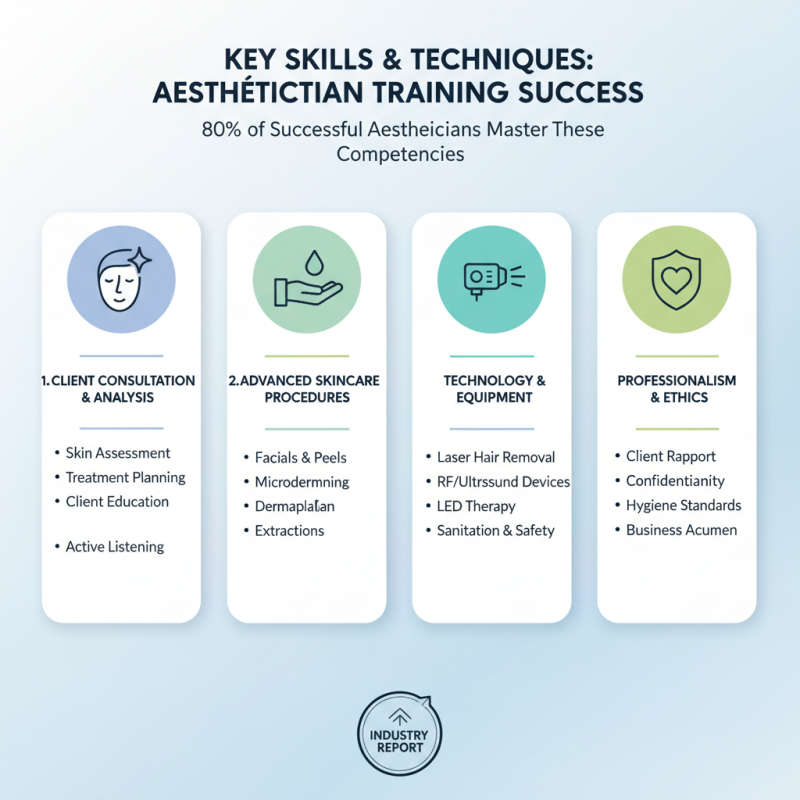
Success in aesthetician training requires more than just theory. Hands-on experience and practical application are key. Many training programs emphasize techniques such as facials, skin analysis, and makeup application. However, mastering these skills takes time and practice. It's essential to approach this journey with patience and an open mind to learn from both successes and setbacks.
Aesthetician training courses also stress the importance of client interactions. Building rapport with clients is vital for retention and referrals. The ability to empathize and communicate effectively can set one practitioner apart from another. As consumers increasingly seek customized skincare solutions, those who embrace continuous education will find more opportunities to excel in this dynamic industry.
Understanding the Role and Responsibilities of an Aesthetician
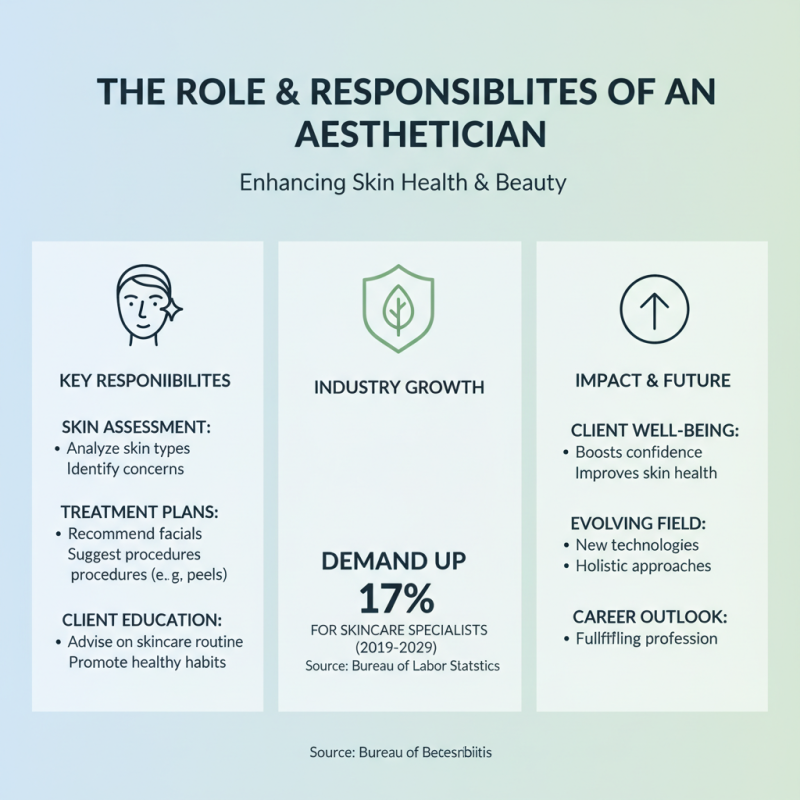
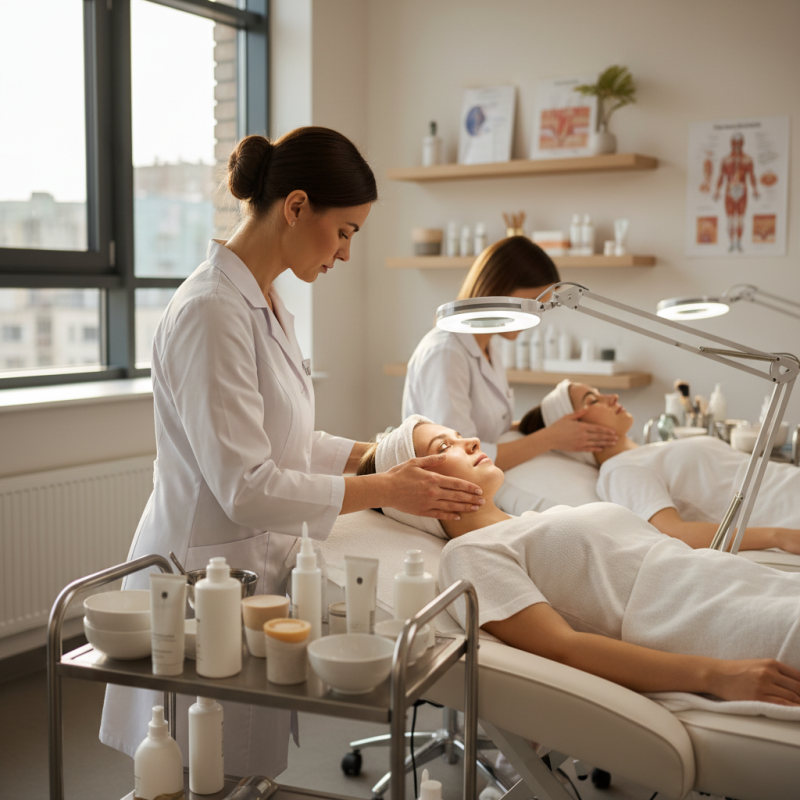
Aestheticians play a crucial role in enhancing clients' skin health and beauty. They are trained to assess individual skin types and recommend suitable treatments. According to the Bureau of Labor Statistics, the demand for skincare specialists is expected to grow by 17% from 2019 to 2029, indicating a vibrant industry.
Aestheticians are responsible for various services, including facials, hair removal, and makeup application. They also educate clients about skincare routines. Understanding skin anatomy is vital. Aesthetic practices must prioritize safety and hygiene, which often requires ongoing education. Some aesthetic schools focus solely on practical skills, which may leave gaps in theoretical knowledge.
While some graduates excel, others may struggle due to a lack of comprehensive training. Industry data reveals that approximately 30% of new aestheticians feel unprepared for real-world challenges. This highlights the need for robust mentorship and diversified training approaches to ensure confidence and competence in the field. An aesthetician's journey requires continuous learning to adapt to evolving trends and techniques.
Importance of Regulatory Certifications in Aesthetician Training Programs
In the realm of aesthetician training, regulatory certifications are vital. They ensure that practitioners meet essential industry standards. This not only fosters trust among clients but also elevates the overall quality of services offered. Aesthetician programs with recognized certifications provide a structured learning path. They cover crucial concepts such as skin anatomy and client safety protocols.
However, navigating certification requirements can be overwhelming. Aspiring aestheticians often seek guidance but may find inconsistent information. Ensuring the right certifications can be a process of trial and error. It’s essential to thoroughly research and choose programs that align with local regulations. Engaging with experienced professionals in the field can provide valuable insights.
Moreover, staying updated with ongoing education is equally important. The beauty industry evolves rapidly, and new techniques emerge regularly. Regular workshops or refresher courses can enhance your skills. This commitment to learning can set you apart in a competitive marketplace. Reflecting on your knowledge gaps can lead to personal and professional growth in this dynamic profession.
Effective Communication Skills for Building Client Relationships in Aesthetics
Effective communication is crucial in building strong client relationships in aesthetics. A skilled aesthetician must go beyond technical knowledge to connect with clients. Active listening plays a vital role here. Aesthetic practitioners should genuinely hear clients' concerns. This not only enhances trust but also leads to better outcomes.
Clear and concise language is essential. Using jargon can alienate clients. Simple explanations about treatments ensure clients feel informed. Sharing step-by-step processes can demystify procedures. This builds confidence and encourages open dialogue. Moreover, acknowledging client feedback is important. Reflecting on their thoughts shows care and fosters loyalty.
Body language also matters. Maintaining eye contact and using open gestures can create a welcoming atmosphere. However, it's important to be aware of non-verbal cues. Misinterpretations can lead to misunderstandings. Aesthetic professionals should continually evaluate their communication style, adapting to different clients. Each interaction offers a chance for improvement and deeper connection.
10 Essential Tips for Successful Aesthetician Training
| Tip Number |
Tip |
Description |
Importance |
| 1 |
Active Listening |
Listen attentively to client needs to better understand their expectations. |
Builds trust. |
| 2 |
Empathy |
Understand and share the feelings of your clients for better rapport. |
Enhances client connection. |
| 3 |
Clear Communication |
Express your ideas and recommendations clearly to avoid misunderstandings. |
Improves service quality. |
| 4 |
Professionalism |
Maintain a professional demeanor to instill confidence in clients. |
Enhances business reputation. |
| 5 |
Follow-Up |
Reach out to clients after appointments to gather feedback and show you care. |
Encourages repeat business. |
| 6 |
Personalization |
Tailor treatments and services to fit individual client needs. |
Improves client satisfaction. |
| 7 |
Conflict Resolution |
Handle complaints professionally and seek solutions to improve client experience. |
Enhances loyalty. |
| 8 |
Body Language |
Be aware of your posture and gestures that convey openness and attentiveness. |
Builds non-verbal rapport. |
| 9 |
Education |
Continuously educate yourself about new products and techniques to offer informed choices. |
Enhances credibility. |
| 10 |
Positive Attitude |
Maintain a positive and friendly demeanor to create a welcoming environment. |
Encourages a positive experience. |
Trends and Innovations Impacting the Aesthetician Industry Today
In the ever-evolving world of aesthetics, staying updated with industry trends is crucial for aspiring aestheticians. Innovations in skincare technology and treatment methods are transforming the field. New techniques require specialized training and a willingness to continuously learn. Aestheticians must embrace these advancements to provide the best care for their clients.
One key trend is the rise of personalized skincare routines. Clients increasingly seek tailored services that address their unique skin concerns. Understanding skin analysis tools is essential. These tools help identify the specific needs of each client. Aesthetician training programs should integrate these technologies. Hands-on experience is necessary to gain confidence and skill.
Another significant trend is the importance of mental wellness in beauty treatments. A focus on client relaxation and overall well-being is essential. Techniques such as aromatherapy and mindfulness can enhance the aesthetic experience. Aestheticians should be prepared to incorporate these elements into their practices.
For successful training, aspiring aestheticians should focus on building a strong foundation in both technical skills and interpersonal communication. Regularly updating knowledge about new treatments keeps practitioners relevant. Engaging with the community through workshops or forums opens opportunities for collaboration. Reflections on client feedback can lead to improved services over time.