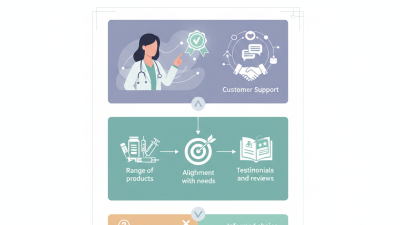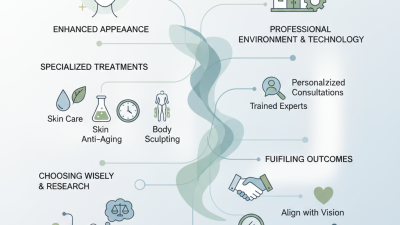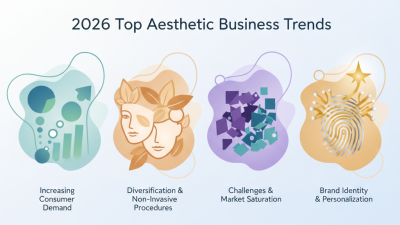

Choosing a reliable aesthetic equipment distributor can shape the safety, reputation, and profitability of your clinic. The wrong supplier may offer attractive prices but provide weak training, unclear documentation, or delayed technical support. A dependable partner should understand clinical workflows, equipment specifications, maintenance needs, and local regulatory expectations. Their role should extend beyond sending a machine in a wooden crate.
Look for evidence rather than polished promises. Ask for product certificates, user manuals, warranty terms, and service records. Confirm whether the equipment is sourced through authorized channels. A trustworthy distributor should explain indications, contraindications, cleaning procedures, and operator training clearly. Request references from clinics using the same model. If possible, inspect a demonstration unit before making a purchase. Check the handpiece, display, cooling system, and emergency controls. Small details often reveal larger standards.
Still, no distributor is perfect. Marketing materials can hide limitations, and even experienced buyers may overlook replacement costs or software restrictions. I once considered price the main concern; that view was too narrow. Long-term support often matters more than an initial discount. Evaluate response times, spare-parts availability, installation quality, and staff education. Ask difficult questions and record the answers. A reliable aesthetic equipment distributor will not pressure you to decide quickly. They will discuss realistic outcomes, operational risks, and compliance responsibilities. This practical approach helps clinics invest with greater confidence while protecting patients, practitioners, and business continuity.
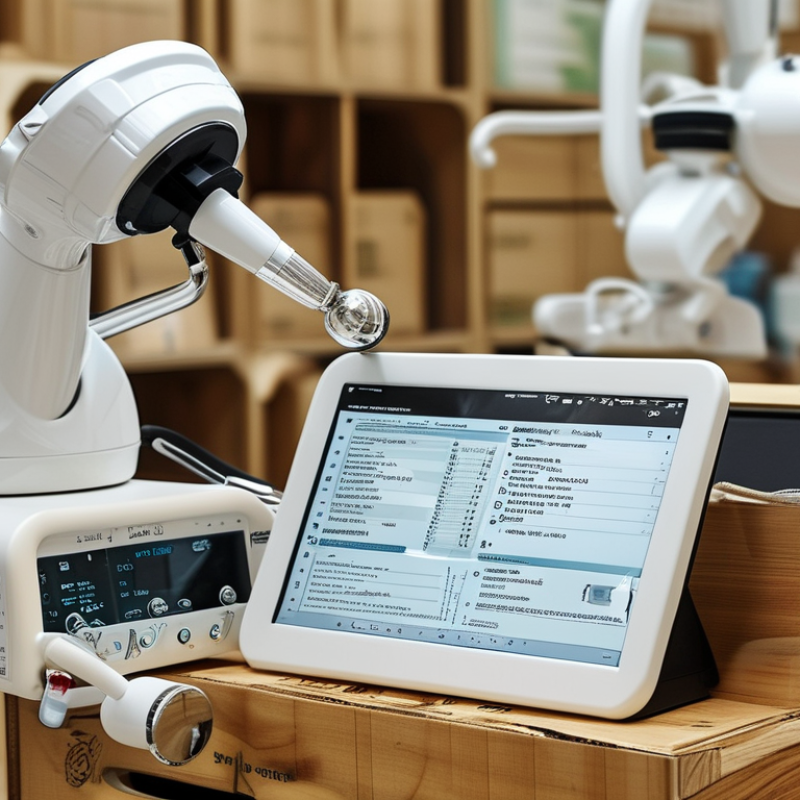
Before contacting a distributor, define the treatments your clinic will actually provide. List your target clients, treatment areas, expected monthly appointments, and available room space. A small consultation room may not support large equipment or complex installation. Record electrical requirements, ventilation needs, noise limits, and cleaning procedures.
My first equipment shortlist was too ambitious. I focused on features instead of workflow, staff training, and patient comfort. That mistake taught me to compare practical outcomes with technical specifications. Ask whether the equipment suits your team’s experience level. Request clear operating instructions, maintenance schedules, safety documents, and training arrangements. Check whether replacement parts and technical support are realistically available in your region.
Budget planning should include more than the purchase price. Estimate installation, staff education, consumables, servicing, insurance, and possible downtime. A reliable distributor should discuss these costs openly, not push the most expensive option. Ask for written warranty terms and response times for service requests. Speak with several professional users, if possible, and ask about delivery accuracy, support quality, and equipment performance after six months. Do not accept every sales claim. Some promises sound convincing but remain difficult to measure. A careful needs assessment gives you stronger questions, clearer comparisons, and a better basis for choosing a dependable distribution partner.
A reliable aesthetic equipment distributor should prove more than sales ability. Ask for business registration, regulatory records, insurance, and staff qualifications. Verify these documents with the relevant authority, not only through an emailed PDF. The ISAPS 2023 Global Survey recorded more than 34.9 million aesthetic procedures worldwide. That scale increases the need for dependable equipment and informed support. Experience matters, but years alone prove little. Request references from clinics using similar devices and ask about response times after installation.
Tips: Check the distributor’s product sources, serial numbers, import records, and warranty terms. Confirm that each device has clear instructions, maintenance schedules, and operator training. Speak with a technical employee, not only a salesperson. If answers remain vague, pause the purchase. A polished showroom can hide weak after-sales service.
Traceability is equally important. The distributor should explain who manufactures the equipment, where critical components originate, and how software updates are controlled. The Global Wellness Institute reported a $6.3 trillion wellness economy in 2023, showing strong commercial momentum. Growth can attract inexperienced intermediaries. I have seen buyers focus too heavily on discounts and overlook calibration support. That is an expensive mistake. No checklist is perfect. Review complaint handling, replacement procedures, and training records before signing. Keep copies of every promise, including delivery dates and service commitments.
Use this five-point screening model to compare distributors. Verify legal credentials, relevant industry experience, regulatory records, product traceability, and after-sales support before placing an order. Product documentation should be consistent with applicable requirements such as ISO 13485, ISO 14971, EU MDR 2017/745, or applicable FDA records.
When choosing an aesthetic equipment distributor, examine more than a polished demonstration. Ask for product specifications, manufacturing records, and clear evidence of quality control. A reliable distributor should explain how each device is tested before delivery. Check the serial number, user manual, warranty terms, and service history.
Small details matter.
Safety documentation deserves close attention. Request electrical safety reports, risk assessments, and maintenance procedures. For equipment using heat, light, or energy, confirm that protective controls work during a live demonstration. Observe emergency stops, protective eyewear, cooling systems, and warning labels. Do not accept vague promises. Ask who performs repairs and how quickly replacement parts arrive.
Regulatory compliance must match the market where the equipment will operate. Review applicable approvals, conformity documents, labeling requirements, and post-market support records. Certificates should identify the exact model, not merely a product family. A distributor should also provide operator training and explain reporting procedures for faults or adverse incidents.
In practical evaluations, I have found that confident sales answers can hide incomplete paperwork. That is a warning sign.
Even experienced buyers can overlook software updates or calibration intervals. A second review helps. Reliability is built through traceable records, competent support, and honest answers about limitations.
When comparing aesthetic equipment distributors, do not judge the lowest quoted price first. Request an itemized proposal with equipment, freight, installation, taxes, and consumables clearly listed. Ask whether software updates, handpieces, and calibration services are included. Two offers can look similar while hiding different operating costs. I once overlooked replacement filters. That small omission changed the annual budget. Ask for ownership estimates from comparable clinics, not vague promises.
Review the warranty line by line. Confirm coverage for parts, labor, travel, and accidental damage. Check the claim process and expected repair time. A useful distributor should explain exclusions plainly, without rushing your decision. Ask whether loaner equipment is available during extended repairs. Obtain the warranty document before paying a deposit, not after delivery.
Training should include hands-on operation, cleaning, treatment protocols, and basic troubleshooting. A short product demonstration is not enough. Request the trainer’s qualifications and a written training schedule. Technical support also matters after installation. Look for defined response times, remote diagnostics, service records, and access to replacement parts. Ask how calibration is verified and documented. Speak with two current customers about support delays and communication quality. Some distributors promise twenty-four-hour help but only answer during local business hours. That detail is easy to miss. Keep written records of every promise, because memory becomes unreliable when a machine stops working.
A reliable aesthetic equipment distributor should prove its service after the sale, not only during a polished demonstration. Read customer feedback across independent platforms, professional forums, and recent case studies. Look for repeated details about installation, training, delivery damage, and repair speed. A single angry review may lack context. Ten similar complaints deserve attention.
The Salesforce State of the Connected Customer report found that 88% of customers consider experience as important as products or services. PwC’s Future of Customer Experience survey also reported that 32% of customers would leave a company after one poor experience. These figures matter for clinics because equipment downtime can affect appointments, staff confidence, and revenue. Ask the distributor for written response times, warranty conditions, spare-parts availability, and escalation contacts. Confirm whether technicians can provide remote diagnostics and on-site support. A friendly promise is not evidence. I have seen buyers focus too much on specifications and overlook service limitations. That mistake is understandable, but expensive.
Tips: