Top 10 Med Esthetics Trends in China for Global Buyers?
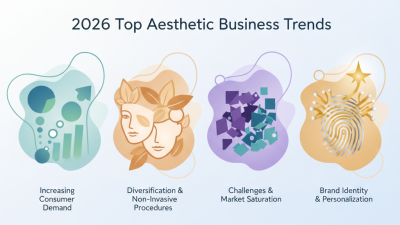
The med esthetics market in China is experiencing rapid growth, driven by increasing consumer demand. According to a report by Research and Markets, the Chinese med esthetics market is expected to reach USD 20 billion by 2025, with a CAGR of 15%. This trend highlights consumer interest in advanced skincare solutions and minimally invasive procedures.
Chinese consumers are becoming more educated about beauty treatments. They seek high-quality results and are willing to invest in reputable brands. Data from Bain & Company suggests that nearly 60% of consumers in China now consider med esthetics an essential part of self-care. However, the industry still faces challenges, such as the need for standardized regulations and reliable practitioners.
As global buyers explore investment opportunities, understanding these trends is crucial. The growing popularity of technologies like AI in diagnostics and personalized treatments underscores the importance of staying informed. The med esthetics landscape is evolving, but it also requires reflection on safety and efficacy standards to build long-lasting consumer trust.
Emergence of Non-Invasive Procedures in Chinese Med Esthetics
Non-invasive procedures are redefining the landscape of medical aesthetics in China. This shift reflects a growing preference for treatments that offer results without significant downtime. Many individuals are seeking accessible solutions for skin improvement, enhancing their natural beauty with minimal intrusion.
Injectable treatments like fillers and Botox have surged in popularity. These options provide immediate effects with reduced recovery time. Additionally, non-surgical skin tightening methods, such as ultrasound and radiofrequency treatments, are gaining traction. They offer rejuvenation without the risks associated with invasive surgeries.
Tip: Always consult with a qualified specialist before choosing a treatment. Different skin types may react differently to the same procedure.
A notable trend is the combination of various non-invasive treatments. This approach enhances overall results, catering to diverse individual needs. It is critical, however, to manage expectations. Results vary based on factors like genetics, age, and skin condition.
Tip: Stay informed about the latest technologies and trends. This knowledge helps in making educated decisions about treatments. Regularly review the safety protocols in place at clinics to ensure reliability.
Growing Popularity of Personalized Skincare Treatments
The demand for personalized skincare treatments is surging in China. Many consumers want products tailored to their unique skin types and concerns. This trend reflects a broader shift toward individualized beauty solutions in the global market. According to industry reports, the customized skincare segment in China is expected to grow by over 20% annually through 2025.
Personalization is not just about ingredients. It involves understanding skin conditions deeply. For instance, consumers are increasingly seeking treatments for specific issues like acne, hyperpigmentation, or aging. Data shows that 60% of users are willing to pay premium prices for customized solutions. However, the variety of options can be overwhelming. Many people find it hard to choose the right treatments.
Tip: Consult with skincare professionals to better understand your skin's needs. This can lead to more effective personalized solutions.
Consumers should also be cautious about the information they rely on. Not all advice is accurate or tailored to individual cases. Some online trends may not suit everyone's skin type. It’s crucial to cross-reference multiple sources and consider expert recommendations when selecting personalized treatments.
Tip: Always patch-test new products to avoid adverse reactions. Staying informed can help you navigate the complex landscape of skincare effectively.
Top 10 Med Esthetics Trends in China for Global Buyers
Technological Advancements in Laser Treatments and Devices
The realm of laser treatments in medical aesthetics is rapidly evolving.
Technological advancements are reshaping the way practitioners deliver care. New laser devices offer
precision and safety
that enhance patient experiences. These innovations include improved skin rejuvenation techniques and more
effective hair removal options.
Tips for buyers: Always prioritize understanding the latest technologies. Evaluate the
efficacy of devices based on clinical studies. Seek out demonstrations before making purchasing
decisions. It’s vital to stay informed about safety features
and compliance with regulations.
Beyond efficacy, consider the training required for optimal device use.
Many devices have intricate operations that demand skilled handlers. Investing in staff education ensures
better outcomes and patient satisfaction. Reflect on how training impacts overall service quality
in your practice. Balancing technology and human expertise is essential for success
in this competitive market.
Rise of Holistic Approaches in Aesthetic Medicine
The rise of holistic approaches in aesthetic medicine reflects a broader shift in consumer preferences. In China, many patients seek not only cosmetic enhancements but also overall wellness. This shift aligns with findings from the 2023 Chinese Medical Aesthetics Report, which states that 65% of consumers value holistic treatment options that integrate mind and body.
Practitioners are now combining traditional techniques with innovative therapies. Techniques such as acupuncture and herbal medicine are gaining popularity. These methods often lead to fewer side effects and a deeper sense of satisfaction. For example, a study showed that 74% of patients reported improved mental well-being after receiving treatments that consider both aesthetic and health aspects.
Despite the growing interest, challenges remain. Many aesthetic professionals lack training in holistic approaches. Also, miscommunication about treatment outcomes can lead to patient dissatisfaction. As demand for these services rises, ongoing education for practitioners is essential. Adapting to this trend requires both knowledge and a willingness to embrace new methods in a rapidly evolving industry.
Influence of Social Media on Consumer Trends in Med Esthetics
Social media has transformed consumer behaviors in the med esthetics sector in China. Platforms like WeChat and Douyin shape trends, as users seek beauty tips and treatment inspiration. This rapid information flow creates a demand for innovative procedures. Visual content plays a crucial role in showcasing before-and-after transformations. Engaging posts attract attention, driving consumers to explore various procedures.
However, the influence of social media is not devoid of challenges. Misinformation can spread quickly, leading to unrealistic expectations among consumers. Many individuals may rush into treatments without adequate research. Trustworthy information is vital, but it can be hard to identify amidst the noise. This gap highlights the need for reliable authorities to guide potential clients.
As trends evolve, professionals must adapt to the social media landscape. They should provide accurate information while engaging users authentically. Balancing promotional content with educational insights can build credibility. Companies must reflect on how they communicate with audiences, ensuring transparency to foster trust. This continuous evolution creates a dynamic relationship between med esthetics and social media.