How to Start Your Career in Medical Aesthetics Training?
Starting a career in medical aesthetics training can be a rewarding journey. Experts emphasize the importance of proper education and hands-on experience. Dr. Sarah Thompson, a renowned figure in this field, once stated, "Investing in quality training is vital for success in medical aesthetics."
Many aspiring practitioners feel overwhelmed. The variety of options can confuse anyone. It's essential to focus on reputable training programs that offer both theoretical knowledge and practical skills. Look for schools that provide simulations and live demonstrations. Gaining confidence is crucial, yet many struggle with the initial learning curve.
Building a network within the aesthetics community can also make a difference. Engaging with seasoned professionals can guide newcomers. It’s not just about technical skills; understanding client expectations is equally important. Reflecting on your motivations will help shape your path. Pursuing medical aesthetics training demands dedication and a willingness to learn.
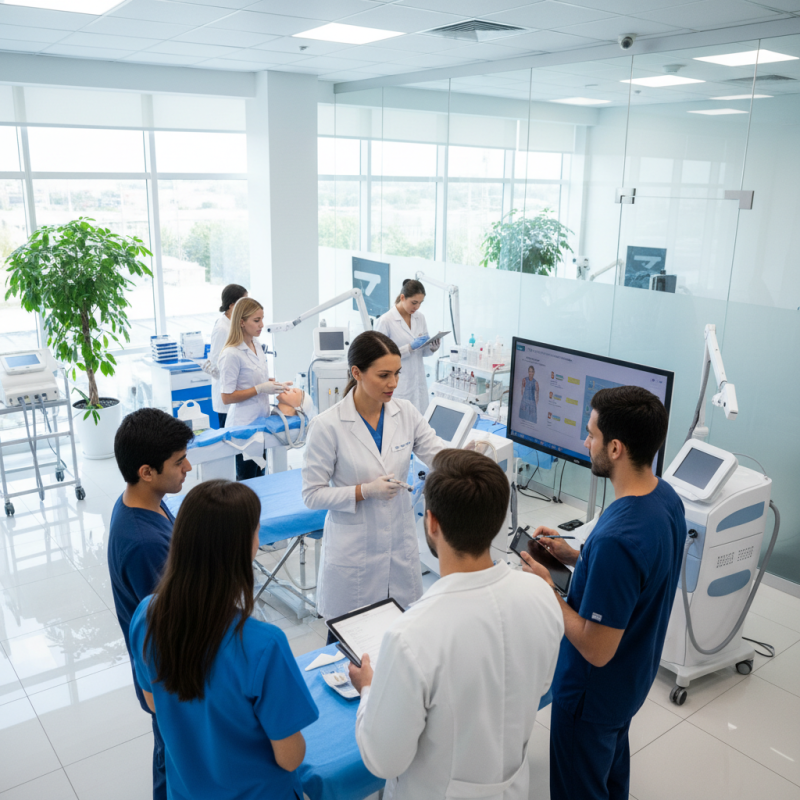
Understanding the Medical Aesthetics Industry and Its Opportunities
The medical aesthetics industry is booming. With a growing demand for non-surgical beauty treatments, many are finding career opportunities. This field includes various services like injectables, skincare, and laser treatments. It attracts professionals from many backgrounds. However, not everyone succeeds.
Training in medical aesthetics requires dedication and skill. Education is essential; formal training can make a difference. Hands-on practice is critical, yet sometimes individuals struggle to find good mentors. Networking plays a vital role in this field, but reaching out can feel daunting. Many professionals initially face challenges in building a client base.
Staying updated on trends is crucial in medical aesthetics. New techniques and products emerge constantly. Practitioners must be open to learning. Online resources can help, but real experience is invaluable. Mistakes may happen, and reflection on these experiences fosters growth. Embracing uncertainty can lead to unexpected opportunities in this dynamic industry.
Key Skills and Qualifications Needed for a Career in Medical Aesthetics
A career in medical aesthetics requires a blend of artistic skill and medical knowledge. Training programs often emphasize the importance of understanding skin anatomy, facial proportions, and treatment options. Professionals should also grasp the science behind various procedures, from injectables to laser treatments. Recognizing what each treatment achieves for a patient is crucial.
Key skills for this field include strong communication and interpersonal abilities. Practitioners need to discuss treatment plans and manage client expectations effectively. It's essential to listen to patients' needs and provide tailored solutions. Moreover, continuous education is vital. Trends in aesthetics change quickly, which can make it challenging to stay updated.
Certifications are crucial, yet they vary widely. Completing accredited training programs is a start, but hands-on experience is invaluable. Many new practitioners face moments of doubt when confronting complex cases. Reflecting on these experiences can lead to personal growth. Embracing the learning process can transform initial uncertainties into confidence in the practice.
Key Skills and Qualifications Needed for a Career in Medical Aesthetics
Types of Medical Aesthetics Training Programs Available for Beginners
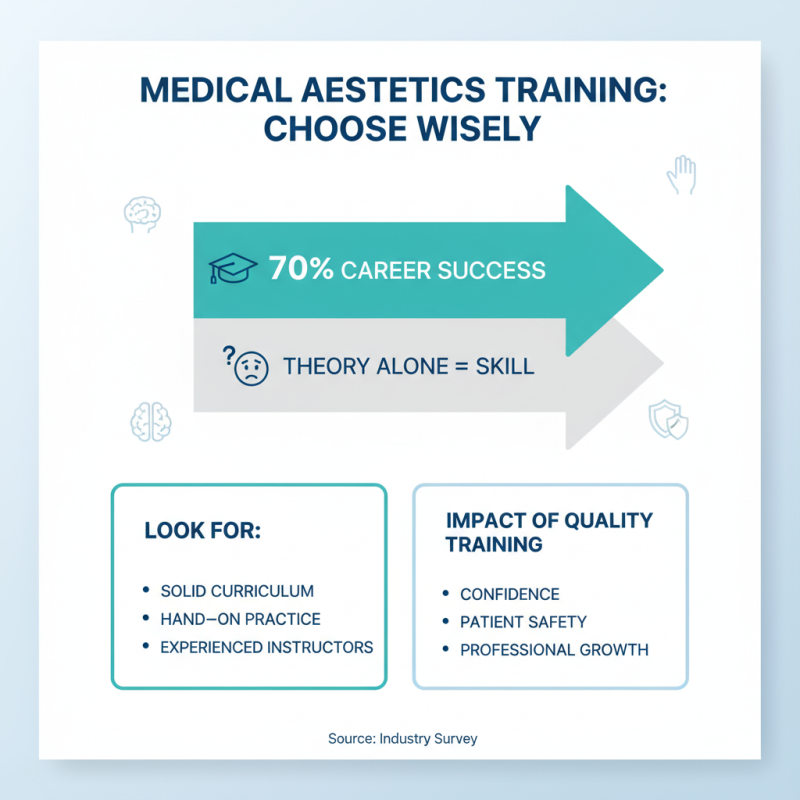
Medical aesthetics training offers various programs for beginners eager to enter the field. Common options include certificate courses, diploma programs, and workshops. Certificate courses focus on specific skills, such as Botox administration or dermal fillers. These courses usually span a few days to weeks, allowing quick entry into the job market. According to recent industry data, nearly 70% of new practitioners start their careers with short certificate programs.
Diploma programs provide a more comprehensive education. They cover multiple aspects of medical aesthetics, such as skin analysis, advanced injection techniques, and patient consultation skills. These programs often last several months and include practical training. A report from the American Society for Aesthetic Plastic Surgery shows that practitioners with advanced training are 50% more likely to retain clients.
Workshops are another option for skill enhancement. These often focus on trending procedures. However, not all workshops offer accreditation or formal recognition. This can lead to confusion among new entrants. While workshops are valuable, it’s crucial to ensure they meet industry standards. Seeking feedback from previous attendees can help gauge quality. Remember, the right training can significantly impact career longevity in this competitive field.
How to Start Your Career in Medical Aesthetics Training? - Types of Medical Aesthetics Training Programs Available for Beginners
| Training Program Type |
Duration |
Prerequisites |
Certification Offered |
Cost Estimate |
| Basic Medical Aesthetics |
4 weeks |
None |
Certificate of Completion |
$1,500 |
| Advanced Injectables Training |
6 weeks |
Licensed Nurse or Practitioner |
Advanced Certification |
$3,000 |
| Laser Training Course |
5 weeks |
Licensed Medical Professional |
Certification in Laser Procedures |
$2,500 |
| Skin Care & Chemical Peels |
4 weeks |
None |
Completion Certificate |
$1,800 |
| Business & Marketing for Aesthetics |
3 weeks |
None |
Certificate of Proficiency |
$1,200 |
Building Your Professional Network in the Medical Aesthetics Field
Building a professional network in the medical aesthetics field is crucial for a successful career. Start by attending industry workshops and conferences. These events are great opportunities to connect with experienced professionals. Engaging in meaningful conversations can lead to potential mentorships or collaborations. Remember, every interaction counts.
Consider joining online forums or social media groups focused on medical aesthetics. These platforms can provide valuable insights and support. Share your experiences, ask questions, and comment on others' posts. Building relationships takes time and effort. Some connections may not flourish, but don't be discouraged. Keep reaching out and stay open to different perspectives.
Volunteer for events or clinics that focus on medical aesthetics. This hands-on experience allows you to meet professionals and gain practical skills. While you may face challenges in establishing these connections, each experience will help you grow. Reflect on what worked and what didn’t. Learning from setbacks is part of the process, and it enhances your resilience in the field. Building a network takes patience but is essential for advancing your career.