How to Start Your Journey in Medical Esthetics Training?
The demand for skilled professionals in medical esthetics training is booming. According to the American Academy of Facial Esthetics, the industry is projected to grow significantly, reflecting an increasing interest in cosmetic procedures. More individuals are seeking non-invasive treatments, leading to a rise in job opportunities.
However, embarking on a career in this field requires dedication and knowledge. While there are many training programs available, not all are created equal. Choosing a reputable program is crucial. Candidates must consider factors like hands-on training and mentorship opportunities.
Many aspiring practitioners overlook the importance of ongoing education. Medical esthetics is constantly evolving. Keeping up with the latest trends and techniques is essential. Taking short courses and participating in workshops can enhance a practitioner’s skill set. Embracing continual learning can be a daunting task, but it is vital for success in this dynamic industry.
Understanding the Field of Medical Esthetics: An Overview
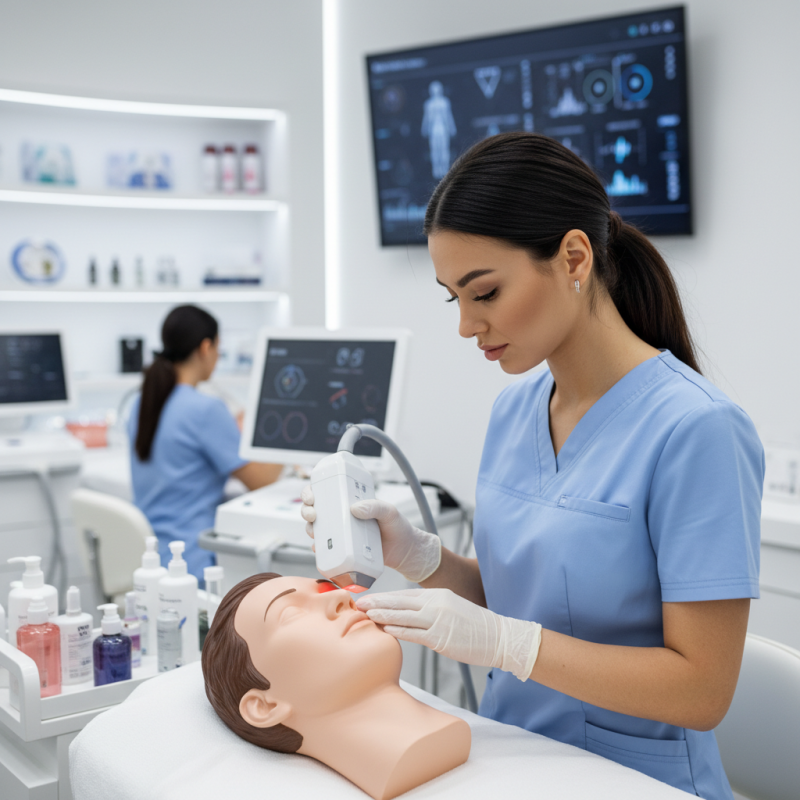
Medical esthetics is an exciting field that blends beauty and health. This area focuses on non-invasive procedures that enhance one's appearance. Professionals work in various settings, including spas and medical facilities. The services may include skin treatments, injectables, and laser therapies. Each of these services has its nuances and demands keen attention to detail.
Training is crucial in this field. Aspiring specialists need to understand anatomy, skin types, and various techniques. Hands-on practice is essential. Many students feel overwhelmed by the amount of information. It's not uncommon to struggle with practical skills initially. Mistakes happen during training, and experiences can be daunting.
Additionally, staying updated with trends is vital. New technologies and treatments emerge regularly. This constant evolution can be intimidating. However, embracing learning opportunities fosters growth. Networking with professionals in the industry can provide valuable insights. Building confidence in both skills and knowledge takes time and effort.
Identifying Necessary Qualifications and Prerequisites for Training
Embarking on a journey in medical esthetics training requires careful planning. Individuals interested in this field should first explore the
necessary qualifications. Generally, a high school diploma or equivalent is essential. However, some programs may require additional certifications or degrees.
Researching local programs helps clarify these requirements.
Prerequisites vary depending on the training you choose. Some institutions may expect a background in healthcare. This could be a nursing degree or experience in a related field. Another common requirement is a
passion for skincare and beauty. Attending workshops or related classes can strengthen your application.
Gaining hands-on experience is crucial but often overlooked. Many aspiring estheticians forget to shadow professionals or intern. Practical experience can reveal challenges not covered in a classroom.
Handling real clients can be daunting. It’s important to confront these fears. Reflecting on experiences helps build confidence and competence in practice.
Exploring Different Training Programs in Medical Esthetics
Medical esthetics is a rapidly growing field. According to the American Academy of Medical Esthetics, the sector is expected to expand by over 15% in the next five years. This growth brings a range of training programs. Prospective students should explore options that fit their career goals.
Several training programs are available. Some are focused on injectables, while others cover multiple techniques. Many institutions offer hands-on clinics, which allow students to practice skills directly on clients. This real-world experience can be invaluable. Yet, students need to ensure they choose reputable schools. Not all programs have the same credibility.
Tips for selecting a training program: Research the instructors’ qualifications. Hands-on experience is essential, so look for programs that provide ample practice time. Also, check if the program includes business training, which is crucial for launching a successful career. Reflecting on your personal goals can guide your choices. Determine if you prefer a specialty or a more general approach. The journey in medical esthetics requires continuous learning and adaptation, so stay open to new insights and techniques.
Gaining Hands-On Experience Through Internships and Practicums
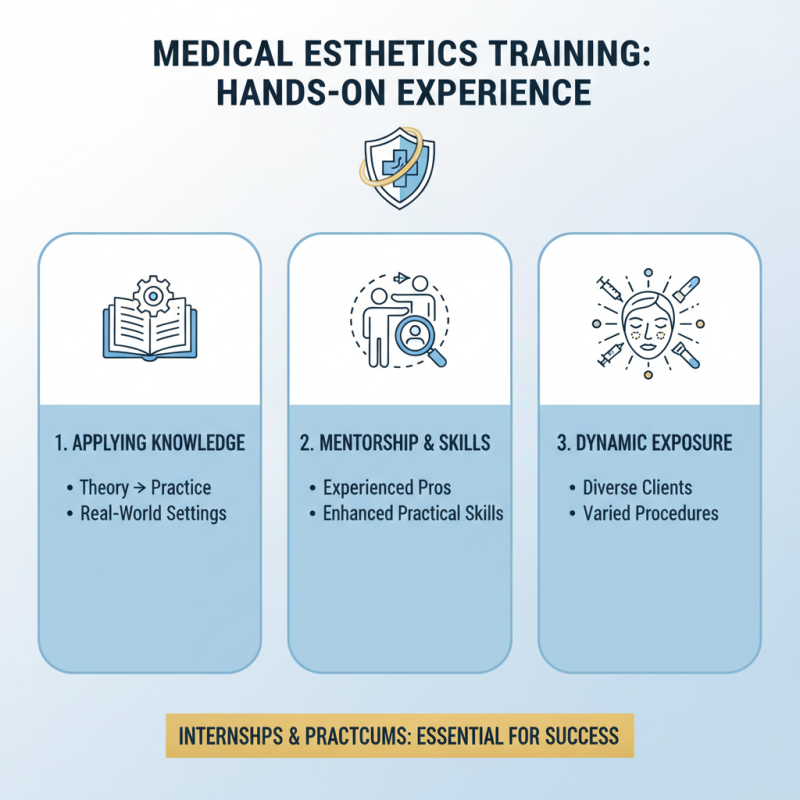
Gaining hands-on experience is vital in medical esthetics training. Internships and practicums allow students to apply theoretical knowledge in real-world settings. Students get the chance to work with experienced professionals. This exposure can significantly enhance practical skills. The setting is dynamic, often involving a mix of clients and procedures.
While internships provide valuable experience, they can also be challenging. Adapting to fast-paced environments is not always easy. New tasks can seem overwhelming initially. However, these challenges are essential for growth. Every mistake becomes a learning opportunity. Building confidence may take time, but perseverance matters.
Working in clinics or spas allows students to observe a variety of treatments. This includes skin analysis, chemical peels, and laser therapies. Each session reveals new insights about client interactions. Feedback from mentors can help refine techniques. It’s important to embrace criticism. A positive attitude towards learning can lead to significant improvement.
Obtaining Certification and Continuing Education in Medical Esthetics
Embarking on a journey in medical esthetics requires solid training. One crucial aspect is obtaining certification. This credential enhances your credibility and allows you to practice legally. The process varies by state or country, often involving exams and coursework. Keep in mind that these requirements can be challenging. You may face complicated regulations that differ in each location.
Continuing education plays a vital role in this field. Techniques and technologies evolve quickly. Regular training updates your skills and knowledge. Many professionals overlook this step due to busy schedules. However, staying current is essential to provide quality care. Attending workshops or online courses helps refine your skill set. While it may feel overwhelming, the investment pays off. Each new technique you learn can be a game-changer for your clients. It’s a continuous journey that demands dedication and reflection.
How to Start Your Journey in Medical Esthetics Training? - Obtaining Certification and Continuing Education in Medical Esthetics
| Training Program |
Duration |
Certification Offered |
Continuing Education Credits |
Cost |
| Basic Medical Esthetics |
6 weeks |
Esthetician Certification |
15 CE credits |
$1,500 |
| Advanced Aesthetic Techniques |
4 weeks |
Advanced Certification |
10 CE credits |
$1,200 |
| Injectables Training |
2 days |
Injector Certification |
8 CE credits |
$2,000 |
| Skincare Science and Ingredients |
3 weeks |
Certification in Skincare |
12 CE credits |
$1,800 |