
What Are the Top Types of Aesthetic Devices?

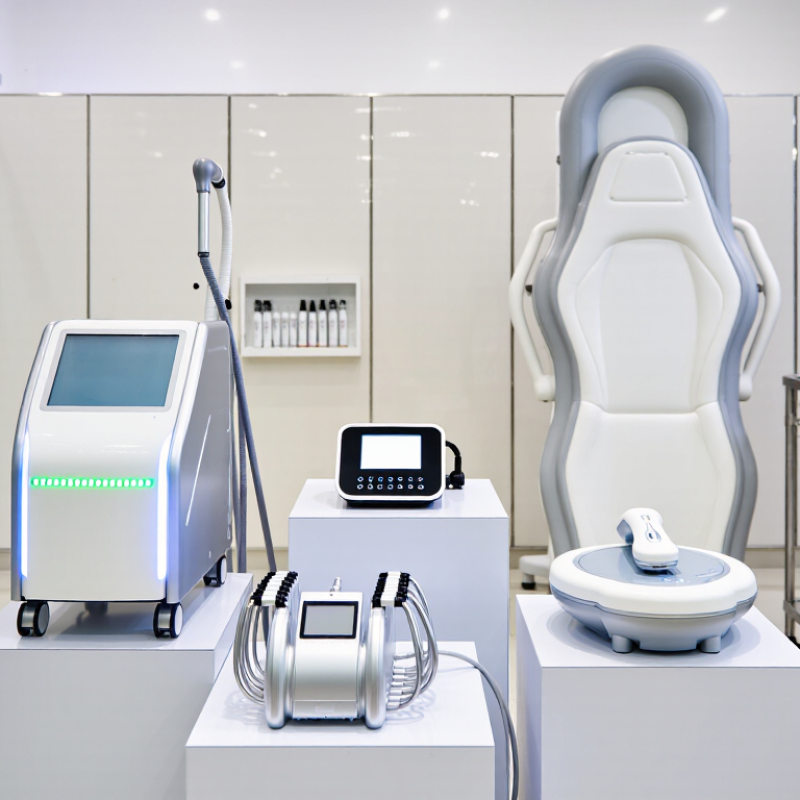
Aesthetic devices cover a broad range of technologies used in professional settings to address concerns such as unwanted hair, uneven skin tone, texture, and visible signs of aging. The category includes laser and light-based systems, radiofrequency devices, ultrasound platforms, microneedling equipment, and body-contouring technologies. Each works differently. Some deliver focused light; others use heat, sound waves, or controlled skin stimulation.

Names can be confusing. Details matter. A device’s marketing label does not explain its settings, intended use, or suitability for every person. Results may vary with the technology, treatment plan, skin characteristics, and the experience of the practitioner. That is why comparing device types means looking beyond the machine’s appearance or headline claims. Readers should also consider safety features, training requirements, maintenance, and the quality of evidence supporting a treatment.

This guide explores the top types of aesthetic devices and the purposes they commonly serve. It outlines how major technologies differ, where their uses may overlap, and what questions matter before choosing a treatment or adding equipment to a practice. No single device is right for everyone. Even familiar technologies have limits, and those limits deserve careful attention. A qualified professional can explain potential benefits and risks for an individual’s circumstances.
What Are the Top Types of Aesthetic Devices?

How Aesthetic Devices Are Classified by Energy Source and Treatment Target

What Are the Top Types of Aesthetic Devices?
How Aesthetic Devices Are Classified by Energy Source and Treatment Target

A practical way to classify aesthetic devices is by the energy they deliver and the tissue they aim to affect. Light-based devices include lasers and intense pulsed light systems. Lasers use selected wavelengths, while intense pulsed light emits a broader range. Radiofrequency devices use electrical energy to heat tissue. Ultrasound devices use sound waves, sometimes focused at specific depths. Different mechanisms, different targets.

Treatment targets offer another useful lens. Some devices address visible pigment or small facial vessels near the skin surface. Others aim to stimulate collagen in deeper skin layers, which may support gradual changes in texture or firmness. Certain systems target unwanted hair, while body-contouring devices may focus on fat or skin laxity. These labels describe intended use, not guaranteed results.

Categories can overlap. A device’s effect depends on its settings, the treated area, and individual skin characteristics. That detail matters. For example, a light-based treatment may interact differently with pigment across skin tones, so professional assessment is important. It is tempting to treat the energy source as a shortcut for choosing a procedure, but that can miss the point. The intended target, device parameters, and practitioner’s training all deserve attention. Classification helps explain a device; it cannot predict every response.

What Are the Top Types of Aesthetic Devices?

Common applications classified by energy source and treatment target

How to read this chart: 1 indicates an established common application; 0 indicates it is not a typical primary use. These are qualitative application categories, not device counts, market shares, or measures of treatment effectiveness. Actual indications vary by device and jurisdiction.

ASPS Counted 25.4 Million Minimally Invasive Procedures in 2023

The American Society of Plastic Surgeons reported 25.4 million minimally invasive cosmetic procedures in 2023. That figure shows how common treatments with little or no surgery have become. It does not mean that 25.4 million device treatments were performed: the category also includes injectables, such as wrinkle-relaxing injections and dermal fillers.

Aesthetic devices cover several distinct technologies. Lasers and intense pulsed light deliver controlled light energy for concerns such as uneven tone or hair reduction. Radiofrequency devices use heat, while ultrasound-based systems direct energy beneath the skin. Some clinics also use devices for resurfacing or gentle exfoliation. The treatment, settings, and expected recovery can differ considerably.

The numbers are striking. Still, the statistic has a blind spot: it counts procedures, not individual people, outcomes, or reasons for treatment. A person may have more than one procedure, and popularity does not prove that a treatment suits everyone. Skin type, health history, and personal goals matter. A qualified clinician can explain likely benefits, limitations, and risks before treatment. Device names can sound precise; results are not guaranteed.

Laser and IPL Devices: ASPS Reported 3.7 Million Skin-Resurfacing Procedures

Laser and intense pulsed light (IPL) devices are common tools for addressing selected skin concerns. The American Society of Plastic Surgeons reported 3.7 million skin-resurfacing procedures. That figure signals substantial demand, but it should not be read as 3.7 million laser or IPL treatments. Procedure categories and reporting methods matter.

Lasers deliver focused wavelengths of light, while IPL uses broader pulses filtered for particular targets. Depending on the device and settings, clinicians may treat texture, visible sun damage, or uneven tone. The sensation can range from brief warmth to sharp, elastic-like snaps. Redness and temporary sensitivity may follow, and some treatments involve downtime. Details vary by skin type, device, and treatment plan.

Numbers cannot promise results. They also do not show how many sessions one person received, or whether a procedure was suitable for them. A qualified clinician should review medical history, current skin condition, and likely risks before recommending treatment. Ask what changes are realistic, how recovery may look, and what signs need follow-up. Small details matter. I would be cautious about treating a headline statistic as proof that one device works best; it leaves out the individual experience.

Radiofrequency and Ultrasound Devices for Skin Tightening and Contouring

Radiofrequency devices use controlled heat to support collagen remodeling in targeted skin layers. People often consider them for mild laxity along the jawline, abdomen, or upper arms. The sensation may feel warm, like a heated stone against the skin. Treatment settings and comfort vary, so an in-person assessment matters. Changes tend to appear gradually, and results differ by skin condition, treatment area, and individual response. These procedures do not replace weight management or surgery. Expectations should stay realistic.

Ultrasound devices deliver focused energy beneath the surface, targeting selected depths while leaving nearby tissue largely undisturbed. This approach may suit people seeking gradual tightening or subtle contouring, but it is not right for every concern. A qualified provider should review medical history, skin goals, and possible risks before recommending treatment. Temporary tenderness, swelling, or redness can occur. One limitation deserves more attention: “tightening” is often used as if it means the same thing for everyone. It does not. Ask what change is plausible, how many sessions may be needed, and when results should be assessed. Good advice includes uncertainty, not just attractive before-and-after images.

Body-Contouring Devices: Cryolipolysis, Radiofrequency, and Focused Ultrasound

Cryolipolysis, radiofrequency, and focused ultrasound use different forms of energy to target localized fat or improve skin firmness. Cryolipolysis cools selected fat deposits; treated areas may feel numb or tender afterward. Radiofrequency delivers heat to tissue, while focused ultrasound concentrates energy at specific depths. Results are gradual. These treatments are not weight-loss tools, and outcomes vary with the device, treatment area, and individual.

Demand is substantial, but broad procedure totals should not be mistaken for evidence that every device works equally well. The ISAPS 2023 Global Survey recorded 19.1 million nonsurgical aesthetic procedures worldwide. That total includes many treatments, not just body contouring. The American Society of Plastic Surgeons’ 2023 report counted about 25.4 million minimally invasive procedures in the United States, another broad category. A careful consultation should cover realistic changes, medical history, and possible effects such as bruising, burns, or uneven contours. Cryolipolysis also carries a rare risk of paradoxical fat growth. Ask who will operate the device and how progress will be assessed; photos and measurements can help, though they are not perfect.

What Are the Top Types of Aesthetic Devices? — Body-Contouring Devices: Cryolipolysis, Radiofrequency, and Focused Ultrasound

Device Type How It Works Common Treatment Areas Typical Treatment Course Expected Outcome Common Risks and Considerations
Cryolipolysis
Controlled cooling
Applies controlled cooling to a localized area of subcutaneous fat. The cooling process is intended to affect fat cells while limiting injury to surrounding tissue. Areas with pinchable fat, such as the abdomen, flanks, thighs, and under the chin, depending on the device and applicator. Usually performed as one or more sessions per area. Session length and the number of treatments vary by device, treatment area, and individual plan. May produce a gradual, modest reduction in a treated fat bulge over weeks to months. It is intended for localized contouring, not weight loss. Temporary redness, swelling, bruising, tenderness, tingling, or numbness can occur. A rare but important complication is paradoxical adipose hyperplasia, in which the treated area enlarges instead of becoming smaller.
Radiofrequency (RF)
Thermal energy
Uses radiofrequency energy to heat tissue. Depending on the device and settings, treatment may target skin and/or deeper tissue; some systems are also used for temporary improvement in the appearance of skin laxity or cellulite. Commonly treated areas include the abdomen, thighs, upper arms, and other areas selected for the specific device and treatment goal. Often delivered as a series of sessions. The schedule and session duration depend on the treatment area, device type, and protocol. Some people experience modest contouring or improvement in skin appearance. Results and duration vary, and multiple sessions may be recommended. Possible effects include warmth, discomfort, redness, and swelling. Excessive heating can cause burns or changes in skin pigmentation; treatment should be performed by trained providers using appropriate protocols.
Focused Ultrasound
Acoustic energy
Concentrates ultrasound energy at selected depths to create localized heating in targeted tissue. Body-contouring systems are designed to target subcutaneous fat; other ultrasound treatments may have different purposes. Selected localized fat deposits, commonly around the abdomen or flanks, where the device is indicated and the patient is an appropriate candidate. May be performed in one or more sessions, depending on the device, treatment area, and clinical plan. Treatment time varies. Can result in gradual, modest reduction of a treated localized fat area. It is not a substitute for weight management or surgical treatment when those are indicated. Temporary discomfort, tenderness, redness, bruising, or swelling may occur. The suitability of treatment depends on the device’s instructions, the target area, and the person’s health history.
Best suited for Adults seeking non-surgical treatment of small, localized areas of subcutaneous fat, with relatively stable body weight and realistic expectations. The specific technology should match the treatment goal and the individual’s anatomy. Not designed for Major weight loss, treatment of obesity, or guaranteed skin tightening. Non-invasive devices do not provide results equivalent to liposuction or other surgery.

Important: Results, treatment schedules, risks, and approved uses vary by device and jurisdiction. A qualified healthcare professional should review medical history, discuss alternatives, and confirm whether a specific treatment is appropriate.