
2026 Top Aesthetic Medical Clinic Trends for Global Buyers?

In 2026, global buyers will judge an aesthetic medical clinic by more than polished rooms and social media images. They will look for verified medical licenses, qualified physicians, transparent pricing, and documented treatment outcomes. This shift matters because a glossy website cannot replace clinical accountability. Buyers may compare clinics in Seoul, Dubai, London, or São Paulo, yet standards and patient expectations differ widely. A trustworthy clinic explains those differences before accepting a deposit. It also states who performs each procedure, which devices are used, and how complications are managed. Small details matter.

This guide examines the leading trends shaping international aesthetic care, including AI-assisted consultations, minimally invasive procedures, personalized treatment plans, and stronger aftercare systems. It considers how clinics use high-resolution imaging, sterile treatment rooms, and traceable medical devices in everyday practice. Buyers should also assess consultation quality, practitioner experience, independent reviews, and recovery support after returning home. A low price may appear attractive, but travel costs, follow-up visits, and revision risks can change the real value. The cheapest option is rarely the clearest one.

Not every innovation deserves trust. Some claims remain difficult to verify, especially when clinics present limited evidence or carefully selected photographs. That uncertainty deserves attention. Reliable providers explain expected benefits, possible side effects, treatment limits, and alternatives in plain language. They never promise identical results for every patient. This introduction offers a practical framework for comparing clinics across borders while respecting local regulations and ethical medical standards. Readers will find useful questions, realistic expectations, and areas requiring further professional review. The picture is not perfectly clear. That is exactly why careful research remains essential.

2026 Top Aesthetic Medical Clinic Trends for Global Buyers?

Global Aesthetic Medical Clinic Trends in 2026

Global aesthetic medical clinics in 2026 will compete through safer, more measurable patient experiences. Buyers will look beyond glossy interiors and compare physician credentials, facility protocols, informed consent, and outcome methods. A consultation may include facial assessment, medical history, skin analysis, and a cooling-off period before treatment. Trust is built in small details. International patients will need clear licensing information and language support. Clinics should explain follow-up access and emergency referral pathways.

Personalized care will expand, but it should not become careless customization. Imaging tools and clinical software can help practitioners discuss symmetry, aging patterns, and realistic treatment plans. Human judgment remains essential. Clinics with strong governance will record complications and review adverse events. They will update protocols using current clinical evidence. Buyers may also expect transparent pricing, itemized aftercare, and secure health-data management. Sustainability is entering procurement decisions. Clinics may use energy-efficient equipment and reduce waste where safety permits.

Cross-border care will become more connected through remote consultations and virtual follow-ups. Yet digital convenience can hide gaps in continuity. Some clinics will get this wrong. They may overpromise results or treat social-media demand as clinical evidence. Experienced buyers should ask who performs each procedure and how outcomes are measured. They should also ask what happens when results disappoint. The industry still has room to improve.

Key Technologies Transforming Aesthetic Medical Clinics

Key Technologies Transforming Aesthetic Medical Clinics

Artificial intelligence is changing how aesthetic clinics assess patients. Three-dimensional imaging can map facial asymmetry, skin texture, and volume loss before treatment. It also gives patients a clearer visual discussion. However, prediction is not proof. Clinicians must explain uncertainty and avoid presenting simulations as guaranteed results. The ISAPS Global Survey 2023 recorded 34.9 million surgical and nonsurgical aesthetic procedures worldwide. This volume increases the need for consistent, documented decision-making.

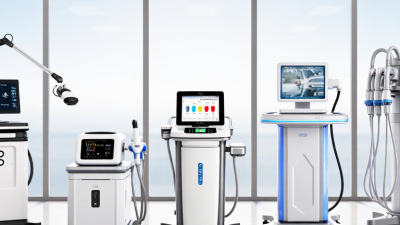
Energy-based devices are becoming more precise. Fractional lasers, radiofrequency, and focused ultrasound can target selected tissue layers with controlled energy delivery. Modern platforms often include temperature monitoring, treatment logs, and adjustable parameters. These features support safer workflows, but operator training remains critical. A sophisticated device cannot correct poor patient selection. Reports from Grand View Research identify continued growth in the global aesthetic devices market, driven partly by noninvasive procedures and shorter recovery expectations.

Digital clinic systems are also reshaping patient care. Electronic records can connect consultation photographs, consent forms, treatment settings, and follow-up notes. Remote consultations may improve access for international buyers, especially before travel. Yet privacy risks are easy to underestimate. Clinics need clear data policies, secure storage, and human review of automated recommendations. Some dashboards look impressive but offer weak clinical value. Regular audits, transparent outcome tracking, and honest reporting of complications matter more than polished technology.

Changing Treatment Preferences Among Global Buyers

Global buyers are changing what they expect from aesthetic medical clinics in 2026. Dramatic transformations are losing appeal. Many patients now prefer subtle improvements, natural facial movement, and treatments that fit busy schedules. Shorter downtime matters, especially for buyers traveling between countries. Some ask about skin texture, pigmentation, and early aging rather than major facial changes.

Treatment decisions are also becoming more evidence-focused. Buyers often review clinician qualifications, facility accreditation, and published safety information before booking. They want clear explanations of benefits, limitations, recovery time, and possible complications. A careful consultation should include medical history, current medication, skin type, and realistic expectations. It should never feel rushed. Not every trending procedure suits every patient.

Cross-border buyers increasingly request digital consultations, itemized pricing, and written aftercare plans. They may also ask who will provide support after returning home. This is important because follow-up care can affect both comfort and outcomes. Clinics serving diverse patients need experience with different skin tones and facial features. One approach cannot fit everyone. Some preferences remain difficult to predict, and online reviews may exaggerate results. Buyers still need independent judgment, licensed medical professionals, and time to reconsider before treatment.

2026 Top Aesthetic Medical Clinic Trends for Global Buyers

Changing Treatment Preferences Among Global Buyers

Minimally invasive treatments remain the leading preference among global aesthetic patients, with botulinum toxin and hyaluronic acid procedures reporting the highest worldwide volumes. Surgical procedures continue to show strong demand, particularly for body contouring and breast enhancement.

Source: International Society of Aesthetic Plastic Surgery (ISAPS), Global Survey 2023. Figures are rounded global procedure volumes in millions.

Safety, Regulation, and Quality Standards for International Patients

2026 Top Aesthetic Medical Clinic Trends for Global Buyers

International patients are looking beyond attractive results. They want documented safety, clear regulation, and accountable aftercare. The ISAPS Global Survey reported 34.9 million surgical and nonsurgical aesthetic procedures worldwide in 2023. This volume increases the need for consistent clinical controls, not louder marketing.

A reliable clinic should disclose surgeon licensing, facility registration, emergency arrangements, and complication-management procedures. Accreditation can help, but its scope matters. It may cover the hospital, not every practitioner or treatment. Ask for the latest inspection date and the governing authority’s public record. WHO’s Global Patient Safety Action Plan 2021–2030 emphasizes risk reduction, informed consent, and learning from adverse events. These principles matter when language, distance, and follow-up create extra risks. ISO 7101:2023 also provides a quality-management framework for healthcare organizations. It is useful evidence, but certification alone cannot guarantee a safe outcome.

Tips: Request a written treatment plan, total cost, medication details, and follow-up schedule. Confirm who handles complications after returning home. Check whether translated consent documents explain realistic limits, not only benefits. Ask how personal health data is stored and transferred. Be cautious when a clinic avoids publishing complication rates; privacy can limit disclosure, but silence deserves questions. A perfect result is never promised. Safety should be measurable, reviewable, and discussed before payment.

How Global Buyers Can Evaluate Aesthetic Medical Clinics

2026 Top Aesthetic Medical Clinic Trends for Global Buyers

How Global Buyers Can Evaluate Aesthetic Medical Clinics

In 2026, global buyers will see more personalized treatment plans, remote consultations, and data-supported skin analysis. These tools can improve planning, but technology cannot replace a qualified medical assessment. A clinic’s website may look impressive. That proves very little.

Check the treating practitioner’s license through an official medical register. Review training, relevant experience, and the number of similar procedures performed. Ask whether the clinic uses documented consent forms, sterile protocols, and recognized safety standards. Request realistic before-and-after images with consistent lighting. Confirm who will provide follow-up care after you return home. Clear answers matter. Vague promises should slow your decision.

Tips: Ask for a written treatment plan, total cost, recovery timeline, and possible complications. Verify whether emergency support is available locally. Read independent patient feedback carefully, not only testimonials published by the clinic. Confirm that products and devices have lawful approval in the treatment location. Translation support can prevent serious misunderstandings. Do not feel pressured to book quickly.

Price comparisons can be useful, but unusually low costs may hide limited supervision or weak aftercare. I would also question clinics promising perfect results. Outcomes vary with skin type, health history, and healing response. No evaluation is flawless, especially across borders. A second medical opinion may reveal concerns that a sales consultation misses.