7 Tips for Choosing the Best Aesthetician Training?
Choosing the right aesthetician training program can shape your skills, confidence, and future client relationships. It is not simply about learning facials in a bright classroom. Imagine checking ingredient labels, practicing sanitation procedures, and identifying different skin conditions under careful supervision. These details matter.
Lydia Sarfati, an internationally recognized esthetics educator and founder of Repechage, has emphasized, “Education is the foundation of professional skincare.” Her view reflects an important truth: strong training should combine theory, guided practice, and ethical decision-making. A beautiful campus is not enough. Ask whether instructors have current industry experience and whether students receive feedback during hands-on sessions. That question can reveal more than an impressive brochure.
The best aesthetician training should explain anatomy, consultation methods, product ingredients, equipment safety, and client communication. It should also clarify practical requirements, including accreditation, assessment standards, insurance expectations, and local licensing rules. These requirements differ by location. Verify them independently.
Look closely at class sizes, clinic hours, graduate outcomes, and available career support. A program promising instant success deserves caution. Real progress can feel slower. Sometimes, the most valuable lesson comes from correcting an uneven consultation or recognizing when a treatment should be postponed.
The following seven tips will help compare programs with greater care. They are not a perfect formula. Personal goals, budget, learning style, and regional requirements still influence the final decision. Expect to research. Expect to question. That is part of becoming a responsible skincare professional.

Define the Aesthetician Role Using BLS Scope and Career Data
Choosing an aesthetician program starts with understanding the actual role. The U.S. Bureau of Labor Statistics groups aestheticians under skincare specialists. Their work commonly includes facials, skin analysis, hair removal, and product guidance. They also maintain clean tools and document client services. These details should shape your training checklist.
A strong program should teach sanitation, anatomy, contraindications, consultation skills, and supervised practical work. It should explain when a client needs medical advice instead of a cosmetic service. Scope of practice can differ by state, so review your local licensing board’s rules. BLS career data can show employment trends, pay ranges, and expected growth. It cannot promise a job after graduation. Be careful with impressive placement claims.
I would compare instructor credentials, clinic hours, assessment methods, and graduate outcomes. Ask how often students practice on real clients. A quiet classroom is not enough. Look for feedback on hand pressure, sanitation habits, consultation questions, and treatment records. One imperfect part of my own checklist is that facilities can look professional during a tour. That appearance may not reflect daily teaching quality. Request a sample schedule and recent exam requirements. Career data may change, while your practical skills remain central.
Compare Curricula With CIDESCO and State Board Standards
Choosing the best aesthetician training requires more than admiring bright classrooms or attractive brochures. Compare each curriculum with CIDESCO expectations and your state board’s current licensing standards. The comparison can reveal important gaps.
Review lessons in anatomy, skin analysis, infection control, hair removal, electrical treatments, and client consultation. CIDESCO-based training often emphasizes detailed theory, practical skills, professional conduct, and documented assessments. State boards may require specific classroom hours, supervised procedures, sanitation training, and a practical examination. Requirements differ by location. Confirm them through the official state board website, not a social media post or an outdated school flyer.
Ask the school for a written hour breakdown. Separate theory, demonstrations, practice sessions, and clinic work. Check whether instructors observe your technique or simply record attendance. Look for training on contraindications, patch testing, treatment records, and emergency responses. These details show professional depth. They also protect clients.
Small details matter. Ask how often equipment is disinfected and where students practice consultations. Request recent graduate feedback, but read it carefully. Positive reviews can still miss weaknesses. I once underestimated the value of supervised practice because the course description sounded complete. The missing feedback involved weak consultation skills. That gap could affect client safety and examination performance. Compare assessment rubrics, instructor qualifications, graduation records, and support for licensing paperwork before enrolling.
Measure Hands-On Training Through Clinic Hours and Class Ratios
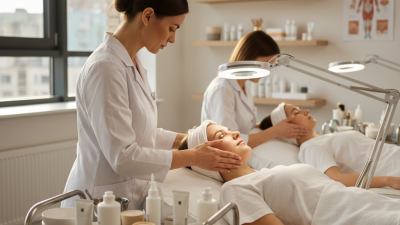
When comparing aesthetician programs, look beyond polished classrooms and attractive course lists. The real test is supervised practice. Ask how many clinic hours students complete before graduation. Then ask what those hours include. Facials, skin analysis, sanitation routines, consultations, and client aftercare should all appear in the schedule. More hours do not automatically mean better preparation. Ten repetitive treatments may teach less than five carefully observed sessions. That distinction matters.
Class size also changes the quality of feedback. A group of 12 students sharing one instructor may leave little time for correction. In a smaller practical class, an instructor can notice uneven pressure, rushed cleansing, or weak consultation questions. Request the student-to-instructor ratio during clinic sessions, not only in theory lessons. Ask whether students work on real clients, practice partners, or mannequins. Each setting has value, but each builds different skills. Real clients are unpredictable. That is useful.
Before enrolling, request a sample clinic timetable and a record of completed practical hours. Reliable schools should explain who supervises treatments and how competency is assessed. Look for written checklists, feedback after each service, and opportunities to repeat weak techniques. Observation can reveal mistakes that practice alone may hide. Still, hours can be poorly structured. A crowded clinic may feel professional while offering limited instruction. Choose measurable supervision over impressive numbers, and ask uncomfortable questions before paying tuition.
Assess Costs and Job Prospects Against BLS’s 9% Growth Forecast
Choosing the best aesthetician training requires more than comparing tuition prices. Request a complete cost sheet before enrolling. Include tuition, registration fees, treatment supplies, uniforms, transportation, exam fees, and unpaid practice hours. A low advertised price may hide expensive kit requirements. Ask whether payment plans create extra costs.
Job prospects deserve equal attention. The U.S. Bureau of Labor Statistics projects 9% growth for skincare specialists from 2022 to 2032. That forecast is encouraging, but it is not a job guarantee. Research local openings, starting wages, part-time options, and commuting distances. Contact several salons, spas, and medical offices. Ask which practical skills employers expect from new graduates. Strong training should include sanitation, consultation, skin analysis, product safety, and supervised client practice. It should also explain licensing requirements clearly.
Look for instructors with current field experience and verifiable qualifications. Review completion rates, graduate employment data, and written refund policies. A school with attractive photos may still offer limited hands-on practice. Check the clinic room yourself. Are the beds clean? Are tools organized? Can students practice regularly? I would also compare training hours with local licensing rules, because missing hours can delay employment. The 9% forecast makes the field worth investigating, not rushing into. My checklist would still be imperfect. Personal confidence, communication, and reliable attendance can influence hiring as much as technical ability.