Who Are the Top Facial Aesthetics Suppliers in China?
China’s facial aesthetics sector serves clinics with injectable products, energy-based devices, skincare, and related medical equipment. Yet “top supplier” can mean different things: reliable manufacturing, documented product quality, technical support, or a strong record in a particular category. Buyers should compare evidence, not just polished catalogues.
Demand provides useful context. The International Society of Aesthetic Plastic Surgery’s 2023 Global Survey reported approximately 34.9 million surgical and nonsurgical aesthetic procedures worldwide. Nonsurgical treatments accounted for about 19.1 million, including roughly 7.8 million botulinum toxin procedures and 5.5 million hyaluronic acid procedures. These are global figures, not a ranking of Chinese manufacturers. That distinction matters.
This guide examines suppliers through verifiable signals: product-specific regulatory records, quality-management documentation, manufacturing capabilities, and responsive after-sales service. For China-based products, buyers can check relevant public records and confirm that certificates match the exact product and manufacturer. Ask for current documentation. Then verify it independently. A supplier’s website alone is not enough. Trade-show displays can look impressive, while practical details—batch traceability, training materials, and complaint handling—are easier to overlook. Not glamorous, but important.
No single list can fairly rank every company across such different product types. Supplier information also changes, and available data may be incomplete. The comparisons that follow should therefore be treated as a starting point for due diligence, not a substitute for clinical, regulatory, or procurement review.
China’s Facial-Aesthetics Supply Chain and NMPA Product Categories
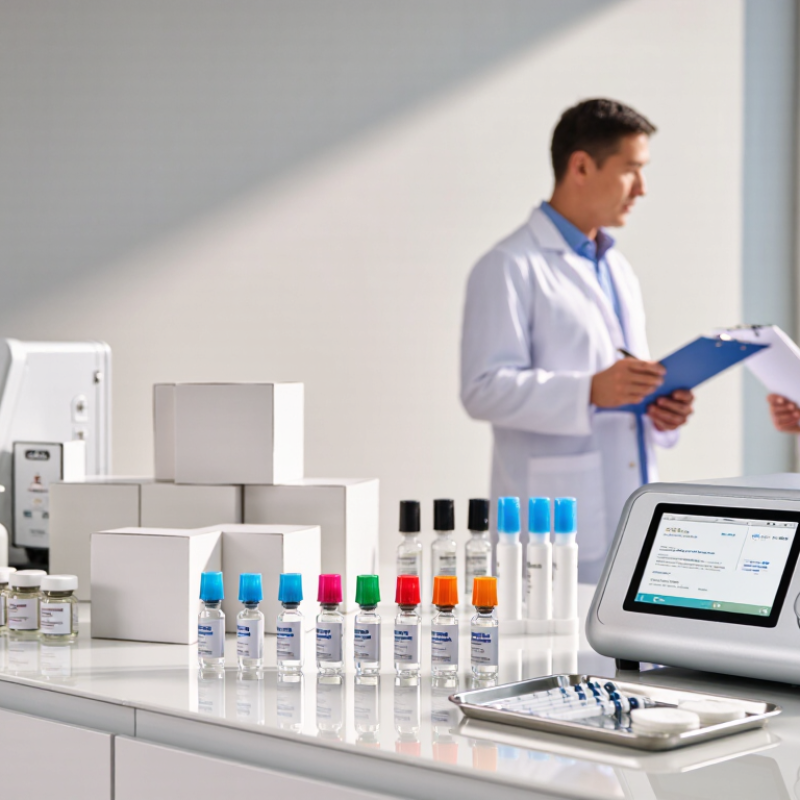
China’s facial-aesthetics supply chain includes raw-material producers, device manufacturers, packaging facilities, testing laboratories, and licensed distributors. Each stage affects product quality. A batch of injectable filler, for example, depends on controlled production, sterile packaging, and traceable lot records. Buyers should check NMPA registration details, intended use, instructions for use, and manufacturing information rather than relying on promotional claims.
NMPA categories matter because similar-looking products may follow different regulatory pathways. Many injectable hyaluronic acid fillers are registered as Class III medical devices, while botulinum toxin products are regulated as drugs, not devices. Energy-based equipment and topical cosmetics have their own classifications and requirements; a device’s category depends on its intended use and risk. Details matter. Compare certificates against official records, and confirm that the registered indications match the planned use. In practice, documents can be difficult to compare across suppliers. That is a real limitation, not a reason to skip verification. Lot traceability, quality-system records, and clear post-market reporting processes offer useful checks. Product categories can change, so verify current NMPA information before procurement.
Market Context: ISAPS Recorded 15.8 Million Non-Surgical Procedures in 2023
ISAPS reported 15.8 million non-surgical aesthetic procedures worldwide in 2023. Its International Survey on Aesthetic/Cosmetic Procedures counted more than 5.5 million hyaluronic acid treatments. These figures describe global activity, not China’s market alone. Still, they show why buyers examine product consistency, clinical documentation, and traceable manufacturing. The scale is real. But procedure totals cannot tell us which suppliers are dependable.
Grand View Research estimated the global dermal filler market at about US$5.5 billion in 2023. Its market report also projected continued growth, though commercial estimates differ in scope from ISAPS procedure counts. For Chinese suppliers, that demand creates opportunity—and a need for careful verification. Ask for batch-level quality records, clear storage instructions, and evidence supporting stated product specifications. Check whether the documentation matches the exact product being evaluated. Small details matter. A polished brochure is not evidence of performance. One limitation is worth noting: public market reports rarely offer a transparent, independently verified ranking of Chinese suppliers. Buyers should compare documentation and service directly, rather than treating market growth as proof of quality.
Leading Domestic Suppliers: Bloomage, Imeik, and Registered Injectable Brands
China’s domestic facial aesthetics supply base includes established biomaterials manufacturers and newer companies with injectable products registered for specific uses. Frost & Sullivan’s industry analysis estimated China’s hyaluronic acid medical aesthetics market at about RMB 4.8 billion in 2020, with growth projected through 2025. These figures describe market value, not product quality or clinical outcomes.
That distinction matters.
Supplier comparisons should begin with product registration and intended use. The National Medical Products Administration database lets buyers verify approved devices, manufacturers, and labeling. Check the exact product name, registration certificate, and permitted application; similar packaging can conceal different indications.
Small details matter.
A certificate is not proof that every treatment is suitable for every patient.
For clinics, practical evaluation also includes batch traceability, storage requirements, training, and post-market complaint handling. Ask suppliers for current documentation, not only sales slides. Review published clinical evidence and adverse-event reporting where available. Public market reports rarely reveal the full quality of a supplier’s support.
The picture is uneven.
I would treat market share as a starting point, then assess records and follow-up processes directly.
International Suppliers in China: NMPA-Approved Toxins and Fillers
Who Are the Top Facial Aesthetics Suppliers in China?
International Suppliers in China: NMPA-Approved Toxins and Fillers
For clinics in China, the key question is not how many products a supplier lists. It is whether each injectable has valid NMPA approval for its specific formulation and intended use. Approval is product-specific. A supplier’s international reach alone does not establish it. Check the product’s registration details against official records, and confirm that the supplier is authorized to distribute it.
Documentation should be easy to trace. Ask for the Chinese-language label, registration information, batch number, and purchase records. For botulinum toxin products, storage and transport must follow the product’s approved instructions; temperature records can help demonstrate proper handling. For dermal fillers, verify the approved indications and packaging details. Small discrepancies matter. A polished catalogue is not proof, and it is an easy mistake to rely on one.
Experienced suppliers should answer practical questions clearly, including how they handle product complaints, recalls, and changes in registration status. Clinics should also confirm that products are obtained through lawful channels and used by appropriately qualified professionals. I would want to see the paperwork before discussing the range. That is not always convenient, but it supports safer purchasing decisions.
Supplier Comparison: ISAPS Counted 7.9M Toxin and 5.5M HA Procedures in 2023
The ISAPS 2023 Global Survey recorded about 7.9 million botulinum toxin procedures and 5.5 million hyaluronic acid procedures worldwide. These figures show substantial demand for injectable treatments. They count procedures, not products sold, unique patients, or market share in China. That distinction matters.
For a practical comparison of Chinese facial aesthetics suppliers, buyers should look beyond price and catalogue size. Review manufacturing quality systems, batch traceability, product documentation, clinical evidence, and consistency of supply. Ask how storage and shipping conditions are monitored, and confirm that products meet applicable requirements in the intended market.
Small details matter. A complete batch record can be more useful than a polished brochure.
ISAPS provides a global demand benchmark, not a ranking of Chinese manufacturers. Supplier claims should therefore be checked against independent documentation and qualified clinical review. A spreadsheet can organize the comparison, but it cannot establish product performance on its own. I would also treat sales forecasts cautiously: procedure growth does not guarantee equal demand across regions or product types.