
7 Best Tips to Become Aesthetic in 2026

In 2026, becoming more aesthetic is less about copying flawless images and more about building intentional, healthy visual habits. For readers searching “become aesthetics,” the opportunity is growing. McKinsey’s 2023 Future of Beauty report projected the global beauty market could reach about $590 billion by 2028. The American Society of Plastic Surgeons also recorded approximately 9.5 million botulinum toxin procedures in 2023. These numbers show demand, not a guarantee of better confidence or results.

Small details matter. Think of balanced colors, clean grooming tools, natural lighting, well-fitted clothing, and skin that feels comfortable rather than heavily covered. Aesthetic physician Dr. Arthur Swift has expressed a widely used clinical principle: “The goal is to look refreshed, not different.” That idea supports restraint, informed choices, and respect for individual features. Good aesthetics should not require unsafe products, unrealistic editing, or unnecessary procedures.

This guide presents seven practical tips to become aesthetics in a more responsible way. It considers visual harmony, personal identity, skincare basics, posture, and digital presentation. The approach is not perfect. Trends change quickly, and even expert advice may not suit every skin type, budget, or culture. Professional consultation remains important before medical treatments. Data reports also have limits; they measure market activity, not personal wellbeing. A better mirror, a calmer routine, and one honest adjustment may matter more than chasing every new trend.
7 Best Tips to Become Aesthetic in 2026

Define Your Personal Aesthetic and Visual Direction

7 Best Tips to Become Aesthetic in 2026

Define your personal aesthetic before collecting attractive images. Digital 2025 Global Overview Report records 5.56 billion internet users worldwide. Visual competition is intense. Your direction needs recognition, not decoration. Audit twenty saved images and mark repeated colors, textures, lighting, and poses. Notice the pattern. Then write three emotional words, such as calm, tactile, and intelligent. These words become your creative filter.

Build a one-page visual direction sheet. Choose one dominant color, one supporting shade, and one sharp accent. Try a warm clay background, charcoal text, and a small cobalt detail. Set image rules too. Use close crops, natural shadows, and visible material textures. Keep typography restrained. The Future of Jobs Report 2025 identifies creative thinking as a rising skill for 57% of employers. Original judgment matters more than copying a popular mood. Test your direction across a phone screen, a printed card, and a square social image. Does it still feel like you?

Review the result after a week. I have made boards that looked polished but felt emotionally empty. That mistake was useful. Remove anything included only because it is fashionable. Keep the imperfect photograph if its grain supports your story. Compare two versions with trusted viewers, and ask what they feel before explaining your intention. Their confusion may reveal a weak visual rule. Revise slowly. A personal aesthetic should guide decisions, not trap them.

Build a Cohesive Wardrobe with Intentional Color Choices

7 Best Tips to Become Aesthetic in 2026

Build a Cohesive Wardrobe with Intentional Color Choices

An aesthetic wardrobe rarely needs more clothes. It needs clearer color decisions. Start with three dependable neutrals, such as cream, charcoal, and muted brown. Then add two accent colors that suit your skin’s undertone and daily environment. Test them beside your face in natural daylight. Indoor lighting can make warm colors look dull and cool shades appear harsher.

Use the 60-30-10 rule as a flexible guide. Let 60 percent of your outfit come from a dominant neutral, 30 percent from a secondary shade, and 10 percent from an accent. A blue scarf, rust-colored socks, or a pale green bag can provide visual direction without overwhelming the outfit. Repeating one color across separate looks also creates cohesion. Small details matter.

WRAP’s Valuing Our Clothes report studied garment longevity. It found that nine extra months of use can reduce carbon, water, and waste footprints by about 20–30 percent. The Ellen MacArthur Foundation also reports that doubling clothing use could reduce lifetime greenhouse-gas emissions by 44 percent. Intentional color choices support that goal because matching becomes easier, and impulse purchases become less tempting.

I still buy colors that do not work together. Not perfectly. That mistake is useful. Photograph outfits, note which shades feel natural, and remove colors that stay untouched. A beautiful palette should fit real mornings, repeated wear, and your changing preferences.

7 Best Tips to Become Aesthetic in 2026 - Build a Cohesive Wardrobe with Intentional Color Choices

A practical color-planning framework for creating a polished and versatile wardrobe

No. Aesthetic Wardrobe Tip Color Strategy Practical Guideline Expected Result
01 Define a three-level color palette
Choose colors with clear roles instead of buying randomly.
Use base colors, supporting colors, and accent colors. Select 2–3 base colors, 2 supporting colors, and 1–2 accents. More outfit combinations and a recognizable personal style.
02 Build around reliable neutrals
Neutrals create visual continuity between separate garments.
Consider black, white, cream, gray, navy, brown, or denim as foundational shades. Make approximately 60–70% of the wardrobe easy-to-coordinate neutrals. A cohesive base that makes statement pieces easier to wear.
03 Repeat colors intentionally
Repetition helps an outfit look planned rather than accidental.
Echo one color at least twice, such as matching a bag to shoes or a top to a pattern detail. Aim for 2–3 visible color connections in a complete outfit. Better visual balance and stronger outfit coordination.
04 Use the 60–30–10 color balance
Control the visual weight of each shade.
Use about 60% dominant color, 30% secondary color, and 10% accent color. Treat shoes, jewelry, scarves, or small bags as accent areas. A polished look without allowing bright colors to overwhelm the outfit.
05 Match color temperature
Warm and cool tones create different visual effects.
Pair warm shades with warm shades and cool shades with cool shades, then use neutrals to soften contrast. Warm examples: camel, rust, olive, and terracotta. Cool examples: blue, lavender, charcoal, and icy pink. A more harmonious appearance and fewer difficult-to-style pieces.
06 Coordinate contrast deliberately
Contrast adds interest when its intensity suits the occasion.
Use low contrast for understated outfits and higher contrast for a sharper statement. Keep most everyday outfits to 2–3 major color values or brightness levels. A controlled silhouette that looks intentional in photographs and daily settings.
07 Audit before buying
Use your existing wardrobe as evidence when making new choices.
Prioritize colors that coordinate with at least three items you already own. Photograph outfits, track frequent colors, and remove shades that rarely leave the closet. Fewer impulse purchases, better cost-per-wear potential, and a more consistent wardrobe.
Quick planning formula: Start with versatile neutrals, add a small group of supporting colors, and reserve the brightest or most distinctive shades for intentional accents.

Refine Your Grooming, Skincare, and Hair Care Routine

7 Best Tips to Become Aesthetic in 2026

Refine Your Grooming, Skincare, and Hair Care Routine

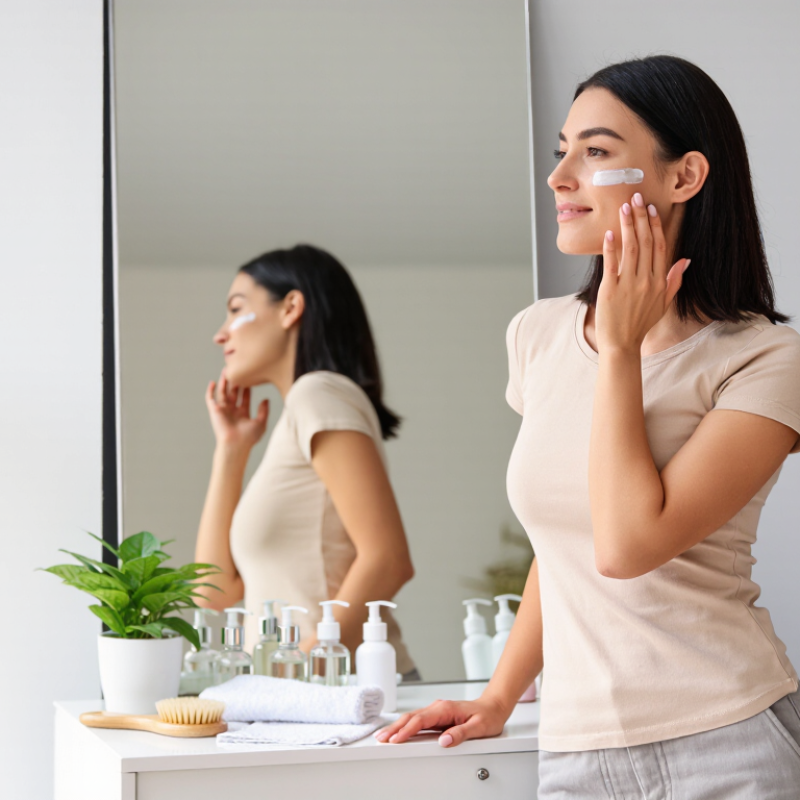
Aesthetic grooming starts with healthy details, not expensive products. McKinsey & Company’s 2023 beauty market analysis estimates skincare represents about 40% of global beauty sales. That demand reflects a simple truth: people value visible, consistent care. Tip 1: Cleanse gently at night. Tip 2: Apply broad-spectrum SPF 30 daily, as recommended by the American Academy of Dermatology. Tip 3: Moisturize while skin remains slightly damp. This reduces tightness and supports the skin barrier.

Tip 4: Keep facial hair lines intentional. Trim neck hair carefully, but avoid aggressive shaving over irritated skin. Tip 5: Wash your hair according to oil levels, not online trends. Fine hair may need frequent cleansing, while dry curls often need less. Use lukewarm water. It feels less luxurious, but hot water can worsen dryness. Tip 6: Condition mid-lengths and ends, then dry gently with a towel. Rubbing creates unnecessary friction and breakage.

Tip 7: Build a routine you can repeat. The American Academy of Dermatology recommends patch testing new skincare products before regular use. Try one change at a time. Your skin may react unpredictably. I once treated every minor flaw at once, and irritation followed. That mistake taught me restraint. Clean nails, shaped brows, fresh breath, and a neat haircut often create more impact than complicated styling. Keep a mirror nearby. Check the small details.

Create an Aesthetic Living Space That Reflects Your Identity

Create an Aesthetic Living Space That Reflects Your Identity

A beautiful home should feel lived in, not staged for a photograph. Begin with three words that describe your identity, such as calm, curious, or grounded. Let those words guide color, texture, lighting, and object choices.
I prefer a limited palette, usually two main colors and one gentle accent. This creates visual calm without making the room feel empty.
Look at how daylight moves through your space before buying anything. A chair near a bright window may need a softer fabric or a sheer curtain.

Warm lamps can make a reading corner feel inviting after sunset. Natural materials, visible wood grain, woven baskets, and cotton textiles often add depth without overwhelming small rooms.

Keep walking paths clear, and place frequently used items where your hands naturally reach them.

Good design should support daily habits, not interrupt them.

Leave some surfaces unfinished. A slightly uneven stack of books or a handmade bowl can reveal personality better than perfect decoration.
I once filled a shelf too quickly, and the room began feeling like a storage area. Removing several objects helped, although the space still looks imperfect.

That is useful. Your home should change as your interests change.

Choose meaningful pieces, check their quality and durability, and avoid copying a style that feels attractive but emotionally distant.

Use Digital Tools to Maintain a Consistent Personal Image

Aesthetic style is easier to maintain when your digital tools support a clear personal system. In my experience, consistency begins with one visual direction, not endless inspiration. Choose two main colors, one accent color, and a small set of readable fonts. Save them in a simple reference document. Add examples of lighting, clothing textures, and image spacing. This prevents rushed decisions before posting or presenting yourself online.

Use a content calendar to plan photographs, short videos, profile updates, and professional materials. A basic spreadsheet can record dates, colors, locations, captions, and audience responses. Keep a private folder with approved portraits and natural expressions. Review each image at the same size before publishing. Small details matter. Cropped shoulders, harsh shadows, or mismatched backgrounds can weaken an otherwise polished impression. Digital editing should improve clarity, not create an unrealistic version of you.

Set a monthly review reminder. Compare recent materials with your visual reference and ask whether they still feel authentic. I sometimes over-edit images and lose useful imperfections, such as skin texture or an uneven smile. That is worth noticing. A consistent image should remain human. Check accessibility too: use readable contrast, descriptive text, and captions when needed. Protect your personal information, review sharing settings, and keep original files safely stored. Tools can organize your image, but your judgment gives it credibility.

7 Best Tips to Become Aesthetic in 2026

Use digital tools to maintain a consistent personal image.

Practical Weekly Time Allocation

This practical baseline allocates 150 minutes per week to the seven consistency habits. The largest time investment goes to creating reusable templates, while smaller routines help keep your profile, colors, typography, tone, and digital assets visually aligned.