
China’s medical aesthetics sector is expanding, but training quality remains uneven.
The International Society of Aesthetic Plastic Surgery reported 19.1 million nonsurgical procedures worldwide in 2023.
China remains a major market for injectables, energy-based devices, and skin treatments.
However, demand does not automatically prove educational quality.
This guide examines China’s top medical aesthetician training options through practical, safety-focused criteria.
These include anatomy, consultation skills, infection control, device operation, emergency response, and supervised practice.
The World Health Organization emphasizes competency, patient safety, and continuous professional development in health education.
Those principles matter beside glossy classrooms and advanced machines.
A certificate alone is not enough.
Dr. Michael H. Gold, a dermatologist and aesthetic medicine educator, has said, “Good outcomes begin with good training.”
That idea should guide every course comparison.
Strong programs should disclose faculty credentials, assessment methods, clinical hours, and graduate support.
They should also explain which procedures require licensed medical professionals under Chinese regulations.
Learners must verify current requirements with qualified local authorities.
Rules can change.
Reports from ISAPS and Grand View Research suggest continued growth in aesthetic treatments and related education.
Yet market forecasts are not proof of clinical effectiveness.
No ranking is perfect.
A course may appear modern while leaving gaps in hands-on assessment.
This article therefore compares evidence, not advertising.
It also considers learner experience, instructor expertise, institutional authority, and transparent outcomes.
The best medical aesthetician training should build careful judgment, not rushed confidence.
What Are China Top Medical Aesthetician Training Courses?
In China, medical aesthetician training usually means structured education in skin health, treatment safety, and client care. Strong courses explain skin anatomy, common concerns, consultation methods, infection control, and equipment operation. They also clarify the legal boundaries between aesthetic care and medical practice. This distinction matters. Aesthetic technicians should not perform procedures beyond their training or authorization.
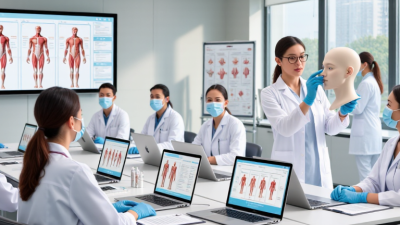
Quality programs often combine classroom lessons with supervised practice. Students may examine real consultation records, observe treatment rooms, and practice skin analysis under professional guidance. Trainers should have relevant clinical experience and explain why a procedure is suitable, not merely how to operate a device. Good assessment includes hygiene checks, case discussions, risk recognition, and emergency response drills. Certificates alone are not enough.
Some courses teach impressive technology but give too little attention to communication. That is a weakness. A client may feel anxious, confused, or pressured, especially before a visible treatment. Training should therefore include informed consent, realistic expectations, privacy, and careful aftercare instructions. Students should learn to refer complex conditions to qualified medical professionals. Course quality can still vary between cities and institutions, so applicants should inspect teaching hours, practical supervision, instructor credentials, assessment methods, and continuing education options. A polished classroom does not always mean deep competence.
Typical study-hour allocation for a foundational medical aesthetics training pathway in China
Anatomy and physiology, skin science, device operation, hygiene, consultation, and practical treatment skills are core areas commonly covered in Chinese medical aesthetics education. The 240-hour allocation is an illustrative curriculum benchmark rather than a single national course standard. Medical aesthetic procedures must be performed within the scope of licensed medical institutions and qualified medical professionals.
China's medical aesthetician training courses often combine skin science, facial anatomy, consultation skills, and supervised clinical practice. Entry requirements vary by province and by the procedure’s medical risk. Applicants may need secondary education, identity documents, health records, and proof of language ability. Some schools also request basic nursing or beauty experience.
That is not universal.
Professional regulation is the crucial difference between ordinary beauty work and medical aesthetic practice. Learners should verify whether the course is approved by the relevant education or health authority. They should also confirm the instructor’s clinical license and the facility’s practice registration. A certificate alone may not authorize injections, laser treatments, or diagnosis.
Scope matters more. Training should cover infection prevention, informed consent, privacy, treatment records, emergency response, and referral procedures.
For invasive procedures, students need documented supervision and clear limits on independent practice.
Reliable providers explain assessment methods, clinical hours, complaint channels, and continuing education requirements. Ask to inspect sample records and practical assessment criteria before paying fees. Regulations can change, and online claims are sometimes vague.
I would not treat a polished certificate as proof of competence. Real competence needs practice.
Applicants should contact the local regulator and their insurer before accepting clients. This step is easy to overlook.
What Are China Top Medical Aesthetician Training Courses?
China’s strongest medical aesthetician courses combine anatomy, skin science, consultation skills, and supervised practice. Trainees study facial muscles, vascular structures, skin types, wound healing, and common contraindications. These subjects help learners assess clients carefully before recommending any procedure. Good programs also teach hygiene, infection prevention, medical documentation, and emergency response. Safety is not an optional chapter.
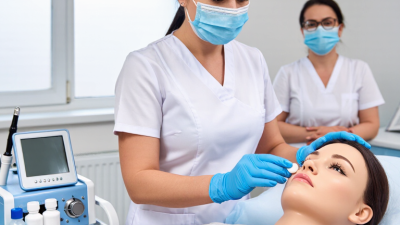
Practical sessions often begin with skin analysis under bright clinical lighting. Students learn to record texture, pigmentation, sensitivity, and previous treatment history. They practise consultation questions, consent procedures, photography, and aftercare explanations. Under qualified clinical supervision, they may train with non-invasive equipment models, treatment planning exercises, and simulated client scenarios. Real skill develops slowly. A certificate alone cannot replace judgement.
Strong courses usually connect classroom teaching with current clinical guidance and local professional requirements. Experienced instructors should explain evidence, limitations, and possible adverse reactions instead of promising perfect results. Some lessons can feel repetitive, especially hygiene drills and consultation records. That is useful, although training may still underrepresent unusual skin conditions and emotional expectations. I would look for supervised hours, transparent assessment methods, instructor credentials, and clear referral procedures. Learners should also question whether the curriculum teaches when not to treat. That decision often protects clients more than technical confidence.
| Curriculum Area | Core Topics | Practical Skills Developed | Typical Learning Format | Suggested Training Time | Expected Competency |
|---|---|---|---|---|---|
| Skin Anatomy and Physiology | Layers of the skin, skin appendages, barrier function, wound healing, facial anatomy, and common skin conditions. | Identifying skin structures, recognizing normal and abnormal findings, and selecting suitable non-invasive procedures. | Lectures, anatomical diagrams, demonstrations, and guided case discussions. | 20–40 hours | Accurate basic skin assessment and safe treatment planning within the learner’s legal scope. |
| Consultation and Skin Analysis | Client consultation, medical history, contraindications, skin typing, treatment goals, consent, and record keeping. | Using consultation forms, conducting visual analysis, documenting findings, and explaining realistic outcomes. | Role-play, supervised consultations, photographic assessment, and sample records. | 15–30 hours | Consistent client screening, clear communication, and appropriate referral decisions. |
| Hygiene, Infection Control, and Safety | Hand hygiene, personal protective equipment, instrument cleaning, disinfection, sharps safety, waste handling, and cross-contamination prevention. | Preparing a clean treatment area, disinfecting equipment, maintaining aseptic technique, and responding to minor incidents. | Demonstrations, laboratory practice, checklists, and safety drills. | 15–25 hours | Reliable infection-prevention procedures before, during, and after every service. |
| Facial and Basic Skin Treatments | Cleansing, exfoliation, extraction principles, masks, moisturization, massage techniques, and post-treatment care. | Performing structured facial treatments, controlling product use, protecting the skin barrier, and adapting protocols to skin conditions. | Instructor demonstration, mannequin practice, peer practice, and supervised models. | 30–60 hours | Safe and repeatable delivery of basic non-invasive facial services. |
| Chemical Exfoliation and Peels | Alpha hydroxy acids, beta hydroxy acids, pH, concentration, contact time, indications, contraindications, and aftercare. | Preparing the skin, applying superficial exfoliating products, monitoring reactions, neutralizing when required, and documenting treatment. | Theory, product-label review, supervised practice, and complication case studies. | 20–40 hours | Ability to perform only permitted superficial treatments using approved protocols. |
| Advanced Non-Invasive Devices | Basic principles of LED, radiofrequency, ultrasound, ion-based delivery, and other device categories used for cosmetic care. | Device inspection, parameter selection, skin preparation, safe application, treatment monitoring, and equipment documentation. | Device demonstrations, supervised practical sessions, and safety checklists. | 25–50 hours | Competent operation of permitted devices according to manufacturer instructions and local regulations. |
| Hair Removal and Body Aesthetics | Hair-growth cycles, waxing principles, cosmetic body care, skin preparation, and treatment-related risks. | Performing patch tests, preparing the treatment area, using appropriate technique, and providing aftercare instructions. | Demonstrations, supervised practice, and client-scenario exercises. | 15–30 hours | Safe delivery of approved cosmetic hair-removal and body-care services. |
| Medical Aesthetic Procedure Awareness | Overview of injectables, laser procedures, microneedling, surgical procedures, expected effects, risks, and professional boundaries. | Recognizing procedures that require licensed medical professionals, assisting appropriately, and identifying warning signs for referral. | Clinical theory, observation, case review, and referral-protocol exercises. | 10–25 hours | Clear understanding of scope of practice and safe collaboration with medical personnel. |
| Emergency Response and Complication Management | Irritation, allergic reactions, burns, excessive redness, infection indicators, fainting, and basic emergency response. | Stopping a treatment, providing immediate basic care, recording incidents, and escalating concerns promptly. | Scenario-based drills, first-aid demonstrations, and incident-report exercises. | 10–20 hours | Timely recognition and appropriate escalation of adverse events. |
| Cosmetic Ingredients and Product Knowledge | Humectants, emollients, occlusives, antioxidants, retinoids, exfoliating acids, sunscreens, preservatives, and product compatibility. | Reading ingredient labels, identifying potential irritants, selecting products by skin need, and explaining home-care routines. | Ingredient workshops, formulation comparisons, and consultation practice. | 15–30 hours | Evidence-informed product recommendations without making medical claims. |
| Professional Ethics and Legal Compliance | Informed consent, privacy, advertising standards, client confidentiality, scope of practice, and local regulatory requirements in China. | Obtaining consent, protecting personal information, communicating limitations, and maintaining compliant records. | Seminars, policy review, ethical case studies, and documentation exercises. | 10–20 hours | Professional conduct aligned with applicable laws, regulations, and workplace policies. |
| Final Practical Assessment | Client consultation, skin analysis, treatment preparation, procedure delivery, infection control, aftercare, and record completion. | Integrating technical, communication, safety, and documentation skills in a complete service. | Observed practical examination, written test, portfolio review, and instructor feedback. | 8–16 hours | Demonstrated readiness for supervised entry-level cosmetic practice within the permitted scope. |
Note: Training duration, permitted procedures, and certification requirements vary by program, city, employer, and current Chinese laws and regulations. Invasive medical procedures should be performed only by appropriately licensed medical professionals.
What Are China Top Medical Aesthetician Training Courses?
Types of Leading Medical Aesthetician Training Courses
Leading medical aesthetician courses in China usually begin with anatomy, physiology, skin science, and infection control. Students learn to identify skin types, contraindications, and warning signs before recommending any treatment. Strong programs include classroom lessons and supervised clinical observation. A certificate alone does not replace a professional license or legal qualification.
Device-based training covers laser, intense pulsed light, radiofrequency, ultrasound, and cooling systems. Learners practice patient assessment, treatment parameters, eye protection, and equipment hygiene. Good instructors explain why settings change for different skin tones. They also teach how to document redness, swelling, discomfort, and recovery time.
Injectable treatment education requires even stricter clinical supervision. Courses may discuss facial anatomy, sterile technique, consent, emergency response, and referral procedures. However, the permitted scope of practice differs by role and location in China. Students should verify current regulations with qualified medical institutions and relevant authorities. Ask difficult questions.
Advanced courses may focus on acne management, pigmentation, scar care, anti-aging plans, and post-treatment support. The best training uses case records, structured assessments, and realistic communication exercises. Instructors should show evidence-based protocols rather than promise dramatic results. Some courses still give too much attention to sales language. That deserves reflection. Safe care needs patience, accurate records, and honest expectations.
When comparing China’s top medical aesthetician training courses, certification value matters more than elegant classrooms.
The ISAPS Global Survey 2023 recorded about 34.9 million surgical and nonsurgical aesthetic procedures worldwide. This growth increases the need for verifiable clinical competence.
A strong course should teach facial anatomy, skin assessment, infection prevention, complication recognition, and emergency referral.
Theory alone is insufficient. Look for supervised practice, documented assessment, and clear instructor credentials.
Check who issues the certificate and what it legally proves. A course certificate may confirm attendance, not professional licensure.
Confirm whether the provider has recognized educational approval and whether the qualification matches your intended role.
The curriculum should state training hours, examination standards, renewal requirements, and practical limits.
The WHO Global Patient Safety Action Plan 2021–2030 stresses competent education, risk reduction, and continuous learning. These principles should appear in the course design, not only in its brochure. A polished certificate can still hide weak supervision.
Request a sample syllabus and assessment rubric. Ask how many learners share one trainer during practical sessions.
Verify whether instructors maintain current clinical credentials. Check complaint procedures and graduate verification.
Also, review the course’s complication-management teaching. It is often neglected.
ISAPS data reflects procedure volume, not training quality, so popularity alone proves little.
I would treat impressive graduate numbers cautiously unless the provider publishes methods, outcomes, and independent recognition.
No course is perfect. The best choice leaves an auditable learning record and respects local professional regulations.