
Medical Aesthetician Training: An Introduction
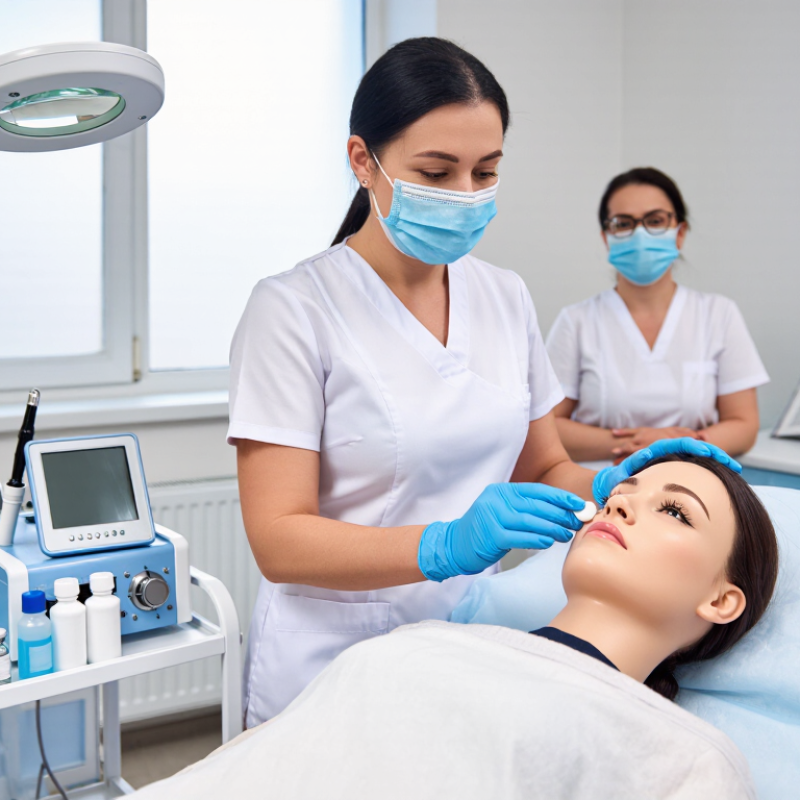
Medical aesthetician training prepares professionals to support clients receiving advanced skincare and non-surgical aesthetic services. It combines classroom learning, supervised practice, and careful observation. Students study skin anatomy, infection prevention, product ingredients, consultation methods, and treatment limitations. They may practise with magnifying lamps, sterile tools, cleansing solutions, and professional skincare devices.
The work is more detailed than a relaxing facial. A trainee must recognize irritation, ask about allergies, and document visible skin changes. They also learn when a client needs referral to a doctor. That judgment matters. Training alone does not replace clinical experience or medical supervision.
Dr. Shino Bay Aguilera, a dermatologist and aesthetic medicine educator, is often associated with this principle: “The goal is to make people look like themselves, only better.” This idea reflects an important part of medical aesthetician training. Ethical care should respect the client’s features, expectations, and informed choices. It should never promise perfect skin or guaranteed results.
A strong program also teaches communication. A client may arrive with redness, acne scarring, or uncertainty about a procedure. The practitioner must explain realistic outcomes in clear language. They should discuss possible discomfort, downtime, and aftercare before treatment begins.
The field is not glamorous every day. Skin can react unexpectedly. A device may not suit every client. Good professionals keep learning, review their techniques, and admit when they need guidance. This article explores what medical aesthetician training includes, how practical experience develops, and why safety remains central to professional credibility.
What Is Medical Aesthetician Training?
Medical aesthetician training prepares professionals to support skin health in clinical settings. Their role differs from a physician, nurse, or injector. They typically perform noninvasive services, assess visible skin concerns, and follow treatment plans created by licensed medical providers. Training often covers anatomy, physiology, sanitation, product ingredients, contraindications, client consultation, and emergency awareness.
The title sounds precise, but its meaning varies by location. Some programs focus on advanced facials, chemical exfoliation, laser safety, or post-procedure skincare. Legal duties depend on local licensing rules and medical supervision. A careful aesthetician should recognize when redness, swelling, infection, or unusual pigmentation requires referral. That judgment matters more than performing a long menu of services.
The U.S. Bureau of Labor Statistics projects skincare specialist employment to grow 9% between 2023 and 2033, much faster than average. The International Society of Aesthetic Plastic Surgery reported more than 19 million nonsurgical aesthetic procedures worldwide in its 2023 survey. These figures suggest continued demand, but they do not prove that every treatment is suitable. Real training includes supervised practice, accurate records, informed communication, and honest limits. Mistakes can happen. A strong professional reviews them, updates skills, and avoids promising perfect results.
Medical aesthetician training combines skincare knowledge with supervised clinical practice. Students study skin anatomy, physiology, common conditions, and how healing changes with age. They learn to recognize concerns such as acne, dehydration, pigmentation, and sensitivity. A strong course also explains when a client needs medical referral. Beauty goals must never replace safe assessment.
In practical sessions, learners develop skills in cleansing, exfoliation, facial treatments, hair removal, and selected energy-based procedures. They study contraindications, treatment settings, patch testing, and aftercare instructions. Infection prevention is essential. Students practice disinfecting surfaces, preparing tools, wearing protective equipment, and recording each service accurately. Small details matter.
Consultation training deserves equal attention. Students learn to ask about allergies, medications, previous procedures, and lifestyle habits. They also practice explaining realistic outcomes without making promises.
Documentation supports continuity and professional accountability. Evidence-based teaching helps learners compare established methods with emerging techniques. Not every popular treatment has strong research behind it.
Training is not flawless. A learner may understand theory but hesitate during a live consultation. Reflection helps reveal that gap. Feedback from qualified educators can improve hand placement, communication, and clinical judgment. Scope of practice also varies by location, so responsible students check current regulations before providing services. Safety comes first.
Medical aesthetician training turns theory into controlled, supervised practice. Students learn to assess skin before recommending any treatment. They examine texture, sensitivity, hydration, visible irritation, and healing concerns. A consultation should feel calm, not rushed. Clear questions often reveal risks that the skin cannot show. Consent matters. So does privacy.
Hands-on sessions may include cleansing, exfoliation, mask application, and non-invasive equipment procedures. Instructors demonstrate pressure, timing, product removal, and safe hand positioning. Students practice on models while receiving immediate correction. Small errors become useful lessons. A device held at the wrong angle can cause discomfort or uneven results. Confidence is not competence. Repeated observation and careful feedback build safer habits.
Clinical safety practices remain central throughout training. Learners disinfect work surfaces, prepare clean tools, use appropriate protective equipment, and follow hand hygiene procedures. They also study contraindications, allergy questions, treatment records, and referral boundaries. Some clients need medical advice before aesthetic care. A responsible practitioner pauses when the situation seems unclear. Emergency procedures require rehearsal, although training drills can feel awkward and incomplete. That discomfort deserves reflection. Good practice includes documenting the client’s response, explaining aftercare in plain language, and reporting unexpected changes to a qualified supervisor.
Medical aesthetician training combines skincare science, cosmetic procedures, safety practices, and client assessment. Students may study skin anatomy, product ingredients, sanitation, consultation skills, and treatment planning. Certification usually shows that a learner completed an educational program or passed an examination. It does not automatically provide permission to perform every procedure.
Licensing depends on local laws and professional rules. Some regions regulate aestheticians separately from healthcare professionals. Others limit advanced treatments to licensed medical practitioners or require medical supervision. Requirements may include approved education, practical examinations, background checks, continuing education, or renewal fees. Always verify current rules with the relevant licensing authority. Regulations can change.
Supervised experience turns classroom knowledge into safer practice. A trainee might observe consultations, prepare equipment, document skin responses, and perform approved treatments under direct oversight. A qualified supervisor should review consent forms, contraindications, hygiene procedures, and emergency responses. Small details matter, such as checking allergies before applying a product. Mistakes can happen. Rushing a consultation is one I would take seriously. It may hide medication use, pregnancy, infection, or unrealistic expectations. More supervised practice helps trainees recognize these concerns before treatment begins. Confidence should grow slowly. Competence matters more.
Medical aesthetician training combines classroom learning with supervised practical work. Students study skin anatomy, infection control, client consultation, and treatment safety. They may practice using magnifying lamps, cleansing tools, and controlled exfoliation equipment. The details matter. A rushed consultation can lead to poor treatment choices.
Career options vary by location and qualification. Graduates may work in dermatology clinics, medical spas, wellness centers, or private practices. Some support non-invasive skin treatments under a qualified healthcare professional’s direction. Others move into client education, treatment coordination, or administrative leadership. Local licensing rules should guide every career decision. Training alone may not authorize every procedure.
Professional development continues after graduation. Experienced aestheticians often attend workshops on barrier repair, pigmentation concerns, sensitive skin, and updated safety protocols. They also improve documentation, communication, and informed-consent skills. A clear consultation might include a client’s current products, allergies, medical history, and treatment expectations. Small details build trust.
The career is rewarding, but not effortless. Repetitive work can strain the hands and shoulders. Client outcomes may differ, even when protocols are followed carefully. That uncertainty requires patience and honest communication. A thoughtful professional records each session, reviews results, and questions outdated habits. Progress can be gradual.