
What Is Medical Aesthetic Equipment Used For?

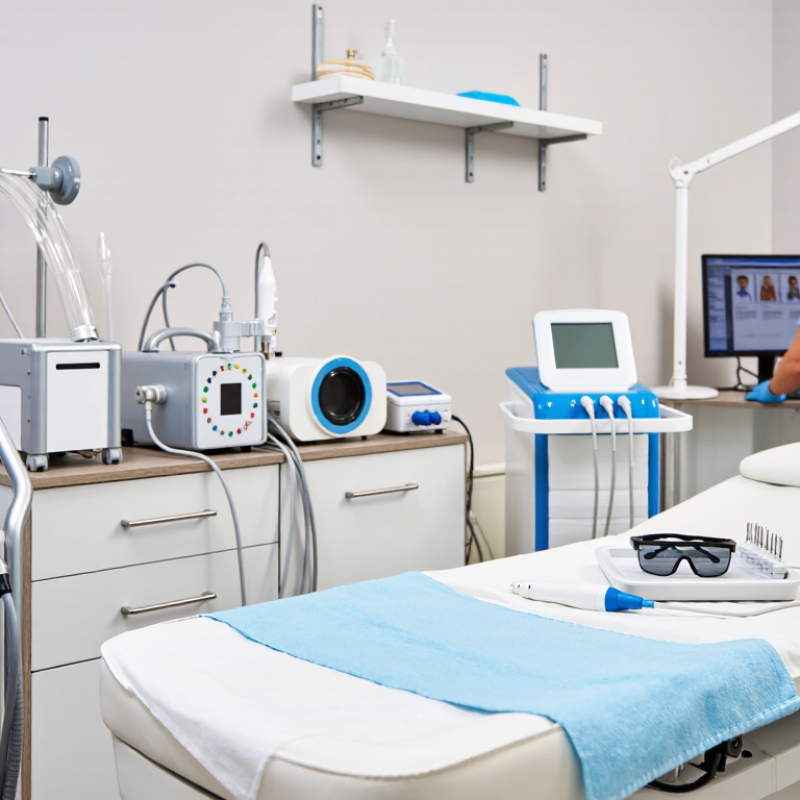
Medical aesthetic equipment is used to support professional skin and appearance treatments, from reducing unwanted hair to addressing visible pigmentation, texture, or redness. Common technologies include lasers, intense pulsed light, radiofrequency, ultrasound, and microneedling devices. Each works differently. A laser handpiece, for example, delivers focused light, while a radiofrequency device uses controlled energy to heat tissue. The treatment goal matters.

A useful principle reflected in the published work of Dr. Tina Alster, a dermatologist and laser specialist, is that device choice should match the clinical indication and the individual patient—not a passing trend. This is a paraphrase, not a direct quotation. Skin tone, medical history, treatment area, and expected recovery all affect whether a device is appropriate. A cooling tip or protective eyewear may be part of the setup. So is careful assessment.

The equipment alone does not determine the result. Training, maintenance, settings, and honest discussion of risks matter too. Patients should ask what a device is designed to treat, who will operate it, and what aftercare may involve. Small details count. Still, device names can sound more impressive than their evidence. This guide explains the main uses of medical aesthetic equipment, how major technologies differ, and what to consider before treatment. Some questions have no simple answer; suitability is personal.
What Is Medical Aesthetic Equipment Used For?

What Medical Aesthetic Equipment Includes: Lasers, IPL, RF, and Ultrasound

What Is Medical Aesthetic Equipment Used For?

What Medical Aesthetic Equipment Includes: Lasers, IPL, RF, and Ultrasound

Medical aesthetic equipment uses light, heat, or sound energy for selected cosmetic concerns. Lasers deliver focused wavelengths and may address unwanted hair, certain pigment spots, or visible vessels. IPL uses broad-spectrum light, not a laser, and may help with redness, sun spots, or hair reduction. Results depend on skin tone, the concern, and treatment settings.

Radiofrequency (RF) devices heat tissue to improve the appearance of mild laxity or uneven texture. Ultrasound devices direct energy to selected depths and may support skin tightening. These approaches are not interchangeable. A qualified clinician should assess medical history, skin characteristics, and possible risks before recommending treatment. Even careful plans may need adjustment; skin does not always respond neatly.

Tips: Ask what the device targets, how many sessions may be needed, and what downtime to expect. Follow eye-protection and aftercare instructions. Share any new irritation with your clinician.

How Devices Target Tissue: 755, 810, and 1,064 nm Laser Wavelengths

Medical aesthetic equipment uses light energy to heat selected tissue while limiting damage around it. For hair reduction, wavelength matters because melanin absorbs different amounts of light. A 755 nm alexandrite wavelength is strongly absorbed by melanin and can work well on lighter skin with dark hair. The 810 nm diode wavelength offers a middle ground in melanin absorption and penetration. At 1,064 nm, Nd:YAG light is absorbed less by epidermal melanin and reaches deeper follicles, making it a common option for darker skin tones. A 2003 comparative study in Lasers in Surgery and Medicine examined all three wavelengths for hair removal, underscoring that wavelength choice affects both efficacy and safety—not just comfort.

The numbers are not a treatment guarantee. Skin tone, hair thickness, pulse duration, cooling, and operator technique all change the response. The American Academy of Dermatology advises that laser hair removal commonly takes six or more sessions; its guidance also stresses that results vary by skin and hair characteristics. A small patch test can reveal unexpected redness or pigment change before a larger area is treated. Honestly, wavelength charts alone can make the decision look simpler than it is.

Tips: Match wavelength to skin and hair, not marketing claims. Ask about eye protection, cooling, test spots, and the clinician’s experience with your skin tone. A slightly imperfect detail matters: freshly tanned skin may change the risk assessment.

Which Concerns It Treats: Hair, Pigment, Vessels, Scars, and Skin Laxity

Medical aesthetic equipment uses controlled light, heat, or other energy to address specific skin concerns. Hair-removal devices target follicles, often reducing regrowth over a series of sessions. Pigment-focused treatments may soften sun spots or uneven tone, while vascular devices can reduce the appearance of selected visible vessels. Results vary. Skin tone, hair color, treatment settings, and the cause of a concern all matter; one device cannot suit everyone.

For scars, certain devices may improve texture or redness, but scar type and depth guide the approach. Skin-tightening equipment aims to support firmness where mild laxity is present. Changes are usually gradual, not dramatic. A careful assessment matters, since treating the wrong concern—or using unsuitable settings—can irritate skin or worsen discoloration. Even a good treatment may not deliver the result someone expects.

Tips: Ask what concern the device is intended to treat, how many sessions are typical, and what downtime to expect. Share your medical history and skin-care routine with a qualified provider. Take photos in consistent lighting to track changes. Small details matter. If the explanation feels rushed, pause and ask more questions.

What Is Medical Aesthetic Equipment Used For? Which Concerns It Treats: Hair, Pigment, Vessels, Scars, and Skin Laxity

Concern Common Equipment Types Typical Uses How Treatment Works Important Considerations
Unwanted hair Laser hair-reduction systems; intense pulsed light (IPL) Long-term reduction of unwanted hair on areas such as the face, legs, underarms, and bikini line. Light energy is absorbed by melanin in the hair and converted to heat, which can impair the follicle. Multiple sessions are usually needed because hair grows in cycles. Results vary with hair color, skin tone, and device settings. Light-based hair reduction is generally less effective on white, gray, red, or very light blond hair. Skin and hair should be assessed before treatment.
Pigmented spots Selected pigment-targeting lasers; IPL Some sun spots and other benign, superficial pigmented lesions after appropriate assessment. Specific wavelengths target pigment in the skin. The treated area may temporarily darken, crust, or flake as it heals. Not every dark spot is suitable for cosmetic treatment. A changing, irregular, or unexplained lesion should be medically evaluated before treatment. Post-inflammatory pigmentation can occur, particularly in darker skin tones.
Visible vessels and redness Vascular lasers; IPL Selected facial telangiectasias, diffuse redness, and certain superficial vascular lesions. Light is absorbed by blood-related targets such as hemoglobin, heating the vessel so it may gradually become less visible. Appropriate wavelength and settings depend on vessel size, depth, and skin characteristics. Bruising, temporary redness, swelling, or pigment changes may occur; some conditions require medical diagnosis.
Acne scars and other scars Fractional ablative or non-ablative lasers; radiofrequency microneedling; microneedling devices Selected atrophic acne scars, uneven texture, and some mature scars. Controlled micro-injury or heat stimulates tissue remodeling and collagen production over time. Fractional treatments affect microscopic zones while leaving surrounding skin relatively untreated. Scar type, skin tone, and history of keloids or abnormal scarring matter. Several treatments may be needed, and results are gradual. Active infection or inflammation should be addressed first.
Skin laxity and fine lines Radiofrequency; microfocused ultrasound; selected fractional laser systems Modest improvement in mild skin laxity, texture, and fine lines in appropriately selected patients. Controlled heating or injury can stimulate collagen remodeling. Improvements generally develop over weeks to months rather than immediately. These treatments do not replace surgery and cannot reliably correct substantial laxity. Suitability, expected benefit, and risks depend on the treatment area, device, and individual health factors.

Note: Medical aesthetic equipment is selected according to the concern, diagnosis, skin type, and treatment goals. Devices can cause burns, scarring, infection, or pigment changes if used inappropriately. Consultation with a qualified medical professional is important before treatment.

How Treatments Are Planned Across Fitzpatrick Skin Types I–VI

Fitzpatrick types I–VI estimate how skin responds to ultraviolet exposure. They are a starting point, not a treatment prescription. Type I usually burns easily; type VI rarely burns, but both descriptions leave out important details. Recent tanning, medication, scarring, and the condition being treated can change the risk. A clinician should assess the actual treatment area, not rely on a number alone.

For light-based procedures, planning often means matching wavelength, pulse duration, energy, and cooling to the patient’s skin and target. More melanin in the epidermis can absorb some laser energy, raising the chance of burns or pigment changes. Darker skin may need conservative settings, longer intervals, and a test spot with time to observe the response. There is no universal setting. Sometimes treatment should be postponed, especially when skin is recently tanned or irritated.

The scale of these services makes careful planning practical, not fussy: the ISAPS 2023 Global Survey recorded about 19.1 million nonsurgical aesthetic procedures worldwide. That figure does not tell us which treatments suit each phototype. It does show why screening and clear aftercare matter. Patients should know what redness, swelling, or pigment changes to watch for, and when to contact their clinician. Even good protocols cannot remove every uncertainty; individual skin can behave differently than expected.

What Is Medical Aesthetic Equipment Used For?

How treatments are planned across Fitzpatrick skin types I–VI

The chart shows a qualitative planning guide, not a validated score or a treatment setting. For procedures that target pigment, darker phototypes generally require extra care because epidermal melanin can absorb treatment energy and increase the risk of burns or post-inflammatory hyperpigmentation. Fitzpatrick type describes typical skin responses to sun exposure; it does not replace an individual assessment. Clinicians also consider recent tanning, treatment goals, device and wavelength, medical history, and whether a test spot is appropriate.

How Device Regulation Works: FDA 510(k) Clearance and Safety Checks

Medical aesthetic equipment may use light, heat, ultrasound, or other energy to address specific skin or tissue concerns. In the United States, a device that requires premarket review may need FDA 510(k) clearance before marketing. A 510(k) submission compares the device with a legally marketed predicate device. The FDA determines whether it is substantially equivalent in intended use and relevant technological characteristics. Clearance is not the same as FDA approval, and it does not guarantee a particular result. That distinction is easy to miss.

Not every device follows the same regulatory pathway. Requirements depend on its intended use, classification, and applicable exemptions. Before treatment, a clinic should check the device’s FDA status and confirm that the proposed use matches its labeling. Staff should review operating instructions, patient screening criteria, and required protective measures. They should also keep maintenance and calibration records, document settings, and report device problems through appropriate channels. A missed maintenance log can matter more than a polished brochure. Real-world safety depends on consistent practice, not paperwork alone.

Tips: Check the device label and clearance details before use. Confirm staff training, inspect the handpiece and cables, and use the specified settings. If instructions are unclear, pause and seek qualified guidance. One small check can prevent a larger problem.