
What Is Medical Aesthetician Training?

Medical aesthetician training sits at the meeting point of skin science, hands-on care, and careful judgment. It can include skin anatomy, sanitation, client consultation, product knowledge, and supervised practice with aesthetic devices. The exact curriculum varies by school and location, so the label “medical aesthetician” does not guarantee the same training everywhere. That detail matters.

The U.S. Bureau of Labor Statistics reported that skincare-specialist employment is projected to grow 7 percent from 2023 to 2033, with about 12,800 openings each year. Its May 2023 median annual wage was $41,560. These figures describe skincare specialists broadly, not medical aestheticians alone. They still offer useful context: demand is real, but a job title is not proof of clinical competence. Dermatologist Dr. Howard Murad’s skin-health philosophy is often summarized as “skin health reflects overall health.” For trainees, that is a reminder to look beyond a single blemish or procedure. A proper consultation may mean asking about sensitivities, reviewing a client’s routine, and recognizing when a concern needs referral.

Good training is practical. A learner should see how a consultation is documented, how equipment is checked, and how treatment choices are explained in plain language. Those small moments matter. They are easy to overlook. Training also has limits; it cannot replace clinical judgment or authorize every procedure. Prospective students should compare supervised hours, instructor credentials, curriculum details, and graduate outcomes—not rely on polished photos alone. Some programs may present these details imperfectly. Ask anyway. This guide explains what medical aesthetician training typically covers, what to verify before enrolling, and why responsible practice starts with knowing what not to do.
What Is Medical Aesthetician Training?

What Medical Aesthetician Training Is and What It Covers

What Is Medical Aesthetician Training?

Medical aesthetician training combines skin-care knowledge with supervised, safety-focused practice. Programs commonly cover skin anatomy, common skin conditions, client consultations, hygiene, and treatment planning. Students may practice assessing concerns such as dryness, sensitivity, or uneven texture under an instructor’s guidance.

Training may also introduce chemical exfoliation, light-based devices, or other advanced services, depending on the program. Learning includes screening for contraindications, explaining realistic outcomes, keeping clear records, and recognizing when a client needs medical care instead. Requirements and permitted services vary by location, so a course certificate does not automatically authorize every procedure. The boundaries can feel frustrating, but they protect clients and practitioners.

Tips: Ask how much supervised practice is included. Check that safety, sanitation, and referral guidance are taught—not just device operation.

Strong programs teach students to pause when a client’s history raises concerns. A careful consultation might include asking about allergies, medications, recent procedures, and skin reactions. Not every concern has an aesthetic solution. That can be hard to accept when clients expect quick results. Practitioners should describe uncertainty honestly, avoid promising outcomes, and follow local professional requirements. Learning continues after graduation through appropriate continuing education and careful review of changing guidance.
Who Can Enroll and What Prerequisites May Apply

Who can enroll depends on the course and the rules where you plan to work. Some introductory programs accept beginners, while advanced medical-aesthetics courses may require an esthetics license or prior clinical training. Age, education, and exam requirements also vary.

In the United States, the Bureau of Labor Statistics says skincare specialists typically complete a state-approved program and meet state licensing requirements. Check the rules before paying tuition.

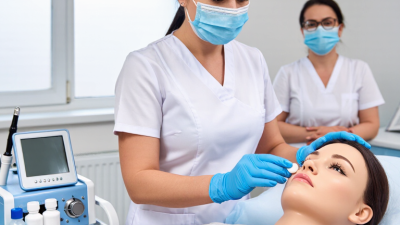
Training may cover skin assessment, sanitation, product ingredients, and client consultation. Picture a real intake: a trainer asks about a client’s routine, checks for irritation, and records the answers before discussing a treatment.

Details matter.

“Medical aesthetician” is not a single, uniform credential, so confirm what a certificate qualifies you to do. The BLS projects 10% employment growth for skincare specialists from 2023 to 2033, with about 12,800 openings each year. That signals demand, not guaranteed employment.

Tips: Ask the school for its entry requirements, supervised practice hours, and graduate outcomes. Confirm whether your current education meets local licensing rules. A polished course brochure is not enough; compare the actual curriculum. I’d also ask how instructors handle clients whose skin reacts unexpectedly.

Core Topics and Skills in the Training Curriculum

Medical aesthetician training combines skin science with careful, supervised practice. Students study skin anatomy, barrier function, common concerns, and how different skin types respond to treatment. They also learn consultation skills: asking about sensitivities, reviewing relevant health history, and recording observations clearly.

The awkward part is learning when not to treat. Recognizing warning signs and referring clients to an appropriate medical professional are essential skills, not side notes.

Practical lessons may cover cleansing, exfoliation, extractions, device basics, infection prevention, and post-treatment care. Students practice explaining each step, checking comfort, and keeping treatment spaces clean.

Practice matters. A 2023 International Society of Aesthetic Plastic Surgery survey reported 19.1 million nonsurgical aesthetic procedures worldwide, underscoring why safe, well-informed care matters. That figure covers many provider types; it does not define an aesthetician’s scope.

Training should also address professional boundaries, consent, documentation, and the limits of cosmetic services. Requirements vary by location, so students need to check applicable education and licensing rules.

The U.S. Bureau of Labor Statistics projected 7% employment growth for skincare specialists from 2023 to 2033, with about 14,500 openings annually.

Details count. Yet a curriculum can feel uneven: technical practice may get more attention than communication, even though clients remember both.

How Training Is Delivered and Practical Skills Are Assessed

What Is Medical Aesthetician Training?
How Training Is Delivered and Practical Skills Are Assessed

Medical aesthetician training blends classroom learning, demonstrations, and supervised practice. Students study skin anatomy, sanitation, consultation techniques, and contraindications. Then they practise close-up skills: cleansing, observing skin, documenting concerns, and explaining aftercare. Practice matters. Instructors can assess these skills through observed demonstrations, case scenarios, and written knowledge checks. A learner should explain each step, not merely repeat a routine. Training and permitted duties vary by location, so programs should teach clear professional boundaries.

The U.S. Bureau of Labor Statistics projects 7% employment growth for skincare specialists from 2024 to 2034. This is a workforce forecast, not evidence that every course prepares graduates equally. Assessment quality matters. Look for repeated supervised practice, specific feedback, and reassessment after mistakes. A polished checklist can still miss how a client responds in the moment; that limitation deserves honest discussion. Safe training also includes recognizing when a concern needs referral rather than treatment.

Tips: Before enrolling, ask how practical skills are scored. Request a sample assessment rubric. Check whether students practise consultations, hygiene routines, and clear record-keeping under supervision. A single successful demonstration is not mastery.

What Is Medical Aesthetician Training? — How Training Is Delivered and Practical Skills Are Assessed
Training Area How It Is Delivered Practical Skills Developed How Competence May Be Assessed
Skin science and consultation Classroom or online lessons, guided case studies, and supervised consultation practice. Taking a relevant client history, identifying skin-care goals, recognizing common skin characteristics, and referring concerns outside the practitioner’s scope. Written knowledge checks, observed mock consultations, and review of completed client records.
Infection prevention and safety Demonstrations, safety briefings, and repeated practice in a classroom or supervised clinic setting. Hand hygiene, cleaning and disinfection, safe handling of supplies, use of protective equipment, and maintaining a clean treatment area. Direct observation against a safety checklist and correction of any missed steps.
Treatment planning and skin-care procedures Instructor demonstrations followed by practice on models or clients, where permitted and appropriately supervised. Preparing the client and treatment area, selecting suitable non-invasive procedures within training and legal scope, and following a consistent treatment sequence. Observed practical tasks, treatment-plan review, and assessment of technique, communication, and safety.
Equipment and product use Hands-on instruction using equipment and products appropriate to the course, with manufacturer guidance and local rules considered. Checking equipment, following operating instructions, choosing products appropriately, and explaining relevant aftercare. Practical demonstration, equipment-safety questions, and review of client instructions or aftercare notes.
Client communication and documentation Role-play, supervised client interactions, and practice completing treatment records. Explaining procedures and limitations clearly, obtaining informed consent where required, recording relevant information, and responding professionally to client questions. Role-play evaluation, record review, and feedback on clarity, professionalism, and completeness.
Supervised practice and final evaluation Structured practice sessions in an approved training environment, with instructor feedback and opportunities to improve. Combining consultation, preparation, safe technique, client communication, documentation, and aftercare in a complete service workflow. A practical skills assessment, course-specific knowledge assessment, and review of required practice or competency records.
Training content, supervised-practice requirements, permitted procedures, and credential rules vary by location and program. Learners should verify current requirements with the relevant local licensing or regulatory authority.

Licensing, Certification, and Career Pathways After Training

Medical aesthetician training usually combines skin science, sanitation, client consultation, and supervised hands-on practice. Students may learn to assess skin concerns, explain basic treatment options, and recognize when a client needs a licensed medical professional. A classroom certificate can show completed study, but it does not automatically grant permission to perform every procedure.

Licensing rules depend on location. Some jurisdictions require an esthetics license, while others set additional limits for work in medical settings. Check the relevant licensing authority before enrolling, and ask what graduates may legally do. That distinction matters. Certification may document specialized training, but it is not always a substitute for a required license. Training can make a procedure feel familiar before professional judgment is fully developed; that gap deserves respect.

After training, graduates may pursue roles in skin care clinics, medical spas, or dermatology and plastic surgery practices, depending on local rules and employer requirements. Entry-level work often involves consultations, skincare education, room preparation, and treatments within the worker’s authorized scope. Clear records, careful consent practices, and referrals for concerns outside that scope help build trust. Keep learning. Continuing education and supervised experience can strengthen skills, though career progress may take longer than expected.

Esthetician Training Hours Vary by State

Minimum pre-licensure training hours for selected U.S. state esthetics or facial-specialist credentials.

Requirements shown are for state entry-level credentials, not a separate nationwide “medical aesthetician” license. Florida’s figure is for its Facial Specialist registration; the scope of services and additional requirements vary by state. Check the relevant state licensing authority for current rules.