
Aesthetic machines attract buyers because they can expand treatment options, support repeatable workflows, and help clinics respond to changing client interests. Yet popularity alone proves little. Buyers still need to ask what a machine can reliably do, who can operate it, and what support comes after delivery. The details matter: a clear training plan, accessible service, and realistic operating costs can matter as much as a polished demo.
Dermatologist and laser specialist Dr. Tina Alster’s clinical perspective can be paraphrased this way: “Technology is valuable when it supports appropriate care and consistent, well-informed treatment decisions.” This is a paraphrase, not a verbatim quotation. It points to a practical reason buyers compare aesthetic machines: they are assessing more than features. They are weighing how a device fits their services, staff skills, client needs, and evidence-based protocols. A bright screen is not proof of performance.
Not every machine earns its place. A buyer may be impressed by a demonstration, then discover that training, maintenance, or treatment time changes the business case. That part is easy to overlook. Careful evaluation means reviewing the manufacturer’s documentation, asking about service response, and checking whether claims match available clinical evidence. Those checks take time. They also help explain why buyers favor equipment that pairs credible performance with dependable support. In the sections ahead, we will examine the practical factors behind that demand—and where enthusiasm deserves a closer look.
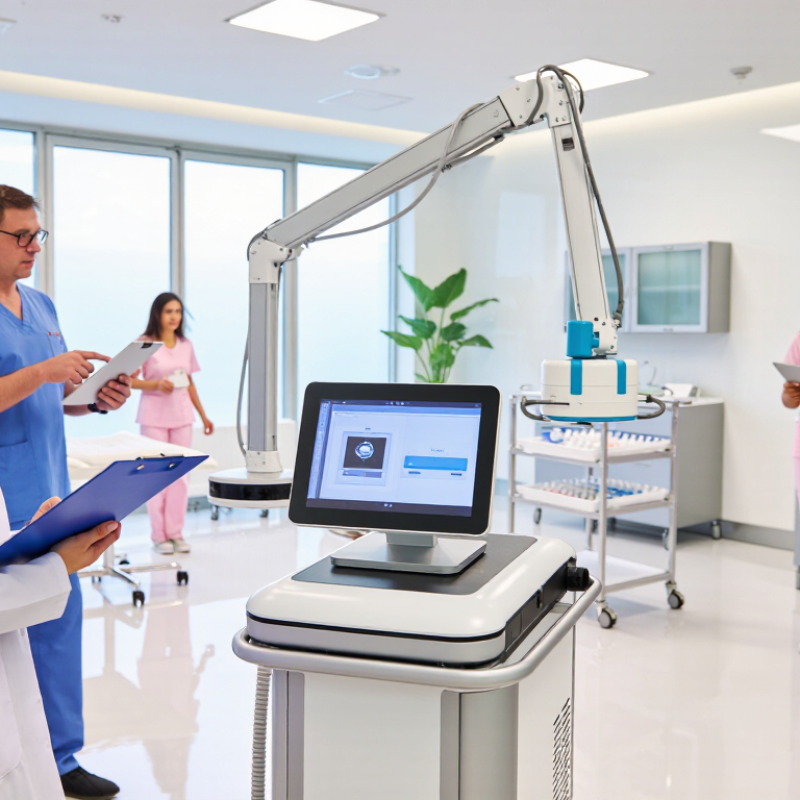
Aesthetic machines are devices used by trained professionals to support cosmetic skin and body treatments. They deliver energy or controlled physical action to targeted areas. The method depends on the device, its settings, and the person’s skin and treatment goals. They are tools, not automatic solutions.
Laser devices and intense pulsed light systems can reduce unwanted hair or address some visible pigment and redness. Radiofrequency devices heat deeper tissue and may help improve the appearance of mild skin laxity. Focused ultrasound also targets tissue beneath the surface. Some systems combine radiofrequency with microneedling to create controlled, tiny skin punctures. LED devices use selected wavelengths of light, often as part of a broader skin-care plan. The details matter.
A consultation should cover health history, skin sensitivity, expected downtime, and possible side effects. Results vary, and several sessions may be needed. A device’s name or appearance cannot tell you whether it suits a particular person. That part is often glossed over. Ask who will operate it, what the treatment can realistically change, and how progress will be assessed. Even careful treatment has limits.
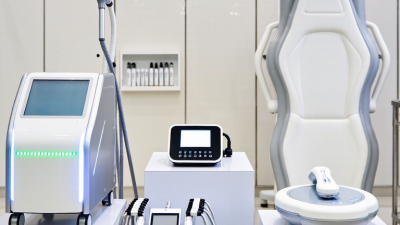
Aesthetic machines are devices used for non-surgical cosmetic treatments, including hair reduction, pigment and vascular lesion treatment, and skin resurfacing. Buyers may value their versatility: different technologies and wavelengths address different treatment goals. The chart shows commonly used laser wavelengths; it is not a measure of treatment popularity or effectiveness.
Wavelengths shown are representative examples, not specifications for every device. The horizontal axis is logarithmic because the wavelengths span a wide range.
Aesthetic machines work by delivering measured energy into targeted skin or tissue. The device converts electricity into laser light, radiofrequency, ultrasound, or cooling. Each method interacts differently with the body. Laser energy is absorbed by selected pigments or water; radiofrequency creates heat as tissue resists electrical current. Focused ultrasound directs energy deeper, while cooling systems lower tissue temperature. The goal is a controlled effect, not simply “more energy.” Too much heat can injure skin.
The American Society of Plastic Surgeons’ 2023 report recorded about 25.4 million cosmetic procedures, including surgical and minimally invasive treatments. That figure reflects procedure volume, not proof that every machine works equally well. During treatment, trained providers select settings based on the device, treatment area, and a person’s skin and health history. Contact gel, protective eyewear, and cooling may be used. The sensation can feel like brief warmth or a small snap. Not every device has the same evidence behind it. That part is easy to overlook. Results vary, and some treatments require repeat sessions; careful screening and realistic expectations matter.
Buyers rarely choose an aesthetic machine on appearance alone. They compare the treatments it supports, the clients they serve, and the skills their staff already have. A device with several functions can seem attractive, but unused features still add cost. The best fit is usually the one that matches real appointment demand. That matters.
Before purchasing, buyers should examine clinical evidence, operating instructions, and safety controls. Ask what training is included, how long setup takes, and who provides technical support. Small details count: a clear screen, easy-to-clean handpieces, and replacement parts available without long delays. Test the workflow, not just the sales demonstration. A polished demo can hide awkward steps.
Total cost goes beyond purchase price. Include consumables, servicing, staff training, warranty terms, and expected downtime in the calculation. Buyers should also check whether performance claims are supported by suitable evidence and realistic for their intended use. No device suits every practice. Sometimes, a simpler machine is the wiser choice, even if it feels less impressive at first. A written comparison of needs, costs, and support can help teams make a defensible decision.
| Decision Factor | Why It Matters to Buyers | What Buyers Should Check | Typical Influence |
|---|---|---|---|
| Demand for non-surgical treatments | Many clients seek treatments that do not involve surgery and may require less recovery time than invasive procedures. This can create demand for services such as hair reduction, skin rejuvenation, and body treatments. | Review local client demand, the intended treatment area, suitable skin or hair types, and realistic treatment outcomes. | High |
| Clinical evidence and treatment suitability | Buyers need confidence that a device is appropriate for its intended use and that claims about results are supported by reliable evidence. | Request published clinical evidence, treatment protocols, contraindications, and information about the populations studied. Avoid relying on marketing claims alone. | High |
| Regulatory status and safety | Requirements for aesthetic devices differ by product type and jurisdiction. Regulatory compliance and clear safety information help buyers assess whether a device can be used lawfully and responsibly. | Verify the device’s applicable authorizations or registrations with the relevant regulator, intended-use labeling, safety instructions, and required operator qualifications. | High |
| Expected return on investment | A machine can add a service to a practice, but revenue depends on local demand, treatment pricing, appointment capacity, and operating costs. | Estimate purchase and financing costs, consumables, maintenance, staff time, expected appointment volume, and the time needed to recover the investment. | High |
| Total cost of ownership | The purchase price is only one part of the cost. Ongoing expenses can affect profitability over the life of the equipment. | Compare warranty coverage, service fees, replacement parts, consumables, software charges, installation, and expected equipment lifespan. | High |
| Ease of use and staff training | Clear controls and suitable training can support consistent operation and reduce avoidable user errors. | Ask about initial and refresher training, operating manuals, treatment protocols, competency requirements, and access to technical support. | Medium to High |
| Service availability and reliability | Equipment downtime can disrupt appointments and revenue, so dependable support is important for businesses offering regular treatments. | Check service response times, repair arrangements, preventive maintenance requirements, parts availability, and loan equipment options. | High |
| Versatility and treatment range | Some buyers value equipment that can serve more than one suitable treatment need, particularly when space or capital is limited. | Confirm which handpieces, settings, or treatment indications are included, and whether each intended use is supported by the device’s labeling and evidence. | Medium |
| Client comfort and treatment experience | Comfort, appointment length, and aftercare requirements can influence client satisfaction and willingness to return. | Review expected treatment duration, cooling or comfort features, typical recovery guidance, and how results and risks are explained to clients. | Medium to High |
| Practice fit and space requirements | A machine must fit the business’s workflow, treatment room, staffing model, and existing services. | Measure the equipment and workspace, check electrical and ventilation requirements, and consider setup, storage, cleaning, and client flow. | Medium |
| Risk management and informed consent | Every treatment has potential risks, and appropriate screening and communication are essential parts of responsible practice. | Review contraindications, adverse-event guidance, client screening forms, consent materials, protective equipment, and incident-reporting procedures. | High |
| Market differentiation | A new service may help a practice broaden its offering, but the business case depends on how well it meets local client needs. | Assess competing services, target clients, referral opportunities, practitioner expertise, and a realistic plan for communicating treatment benefits and limitations. | Medium |
Note: Influence levels are qualitative guidance, not results from a buyer survey. Regulatory requirements, treatment suitability, and outcomes vary by device, intended use, and location.
Buyers often look beyond a machine’s appearance; they want practical benefits in everyday service. A versatile platform may support different treatment settings, reducing equipment changes between appointments. Clear controls and repeatable settings can help trained staff work consistently, though results vary by client. That matters. Buyers also value equipment that fits their space, workflow, and staff experience.
Clients may appreciate adjustable settings, clear explanations, and reasonable appointment times. These details can make a visit feel more considered, without promising a particular result. Comfort counts. For the business, straightforward cleaning routines and responsive technical support may reduce interruptions. Less downtime helps. Training is another benefit buyers should expect, since staff need to understand safe operation, maintenance, and when a treatment may not be appropriate.
Before purchasing, buyers can compare specifications, service terms, training, and ongoing costs. A polished demonstration does not reveal every daily inconvenience. Some details get overlooked. Ask to see routine setup and cleaning, not only a best-case demo. Consumables, energy use, repairs, and staff training all affect long-term value. Payback is not automatic. A careful buyer should match the machine’s documented capabilities to the services they actually plan to provide.
Aesthetic machines are gaining attention as clients ask for treatments that fit busy schedules and offer visible, gradual changes. This demand is shaping purchasing decisions. Clinics increasingly compare equipment by treatment range, operating costs, staff training needs, and service support—not just by headline features. Compact systems can suit smaller rooms, while versatile platforms may help providers serve varied client needs. Still, more functions do not automatically mean better results.
Market trends also favor clear communication and evidence-informed care. Buyers want practical details: expected downtime, suitable skin types, maintenance intervals, and realistic outcomes. Online reviews can influence interest, but they rarely replace clinical evidence or a careful consultation. Providers who explain limitations may build more trust than those promising dramatic changes. The market moves quickly, and not every popular feature proves useful over time.
Tips: Before choosing a machine, check independent safety information, training requirements, consumable costs, and access to qualified technical support. Ask for documented performance data and consider a hands-on demonstration. Keep records of maintenance and client feedback. A small detail can matter. Notice whether the workflow suits your team, not only whether the device looks impressive.