China Top Aesthetician Training Courses for Global Buyers
China’s aesthetician training market offers global buyers a wide range of course formats, from short workshops to structured programs with supervised practice. The right choice depends on learners’ experience, local requirements, and the services they plan to provide. A course title alone proves little.
Review the syllabus closely. It should explain skin assessment, client consultation, hygiene, product knowledge, and safe use of any equipment covered. Ask how much practice learners receive, who teaches each module, and whether students work with models or training devices. Details matter. A clear sample schedule, instructor biographies, and transparent fees can help buyers compare providers. If lessons are delivered in English or translated, request a sample class or learning material to check terminology and teaching pace.
Certificates may document course completion, but their recognition varies by location and does not automatically grant permission to practise. Buyers should verify relevant local rules with appropriate authorities before enrolling or reselling a program. That distinction is easy to miss. Also ask about class size, assessment methods, post-course support, and procedures for reporting concerns. A polished brochure cannot replace these answers. No program suits every learner equally, and practical confidence takes time to build. China-based courses can be a useful option when their scope, teaching quality, and support match a buyer’s needs. Compare evidence, not promises, and leave room to reassess.
Overview of Aesthetician Training Courses in China
China Top Aesthetician Training Courses for Global Buyers
Overview of Aesthetician Training Courses in China
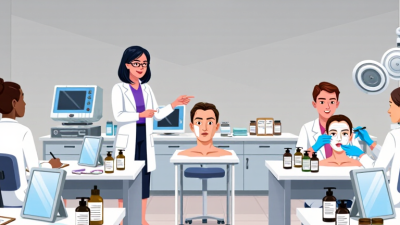
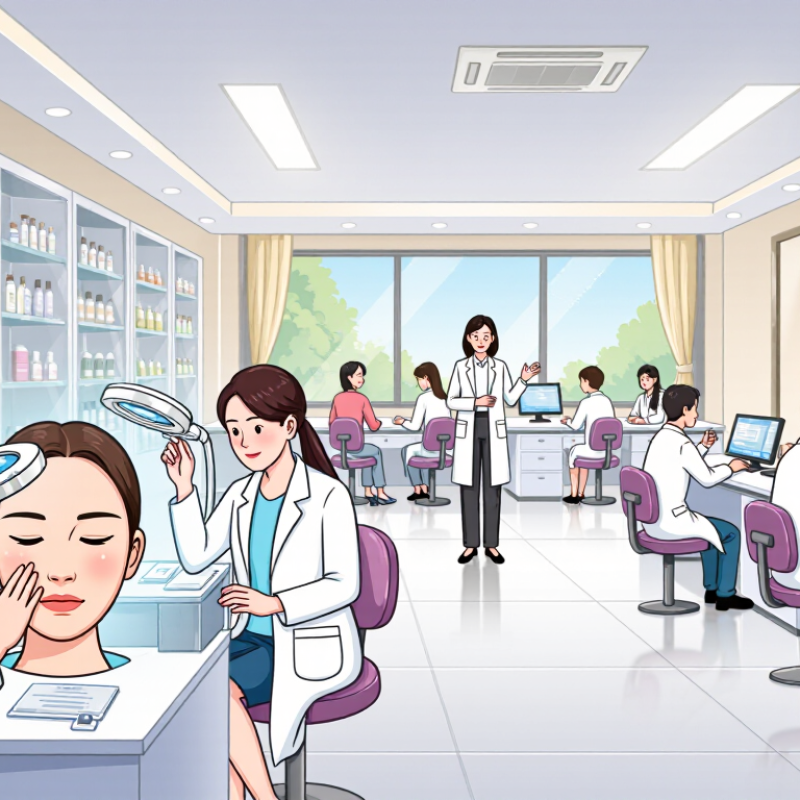
Aesthetician training in China can combine classroom study with supervised practice. Course content often covers skin basics, consultation, sanitation, facial techniques, equipment awareness, and client communication. Formats vary by provider, so buyers should check teaching hours, trainer credentials, assessment methods, and the language of instruction. A glossy classroom is not proof of strong practical training.
McKinsey’s 2023 beauty-market analysis projected global beauty sales could reach about $580 billion by 2027, with annual growth near 6%. This market context helps explain demand for skilled services, but it does not guarantee jobs or course quality. Ask for a detailed syllabus and sample assessment. Confirm that practice stays within the learner’s professional scope; clinical procedures require separate qualifications where applicable. Course descriptions can be vague. That deserves scrutiny.
Tips: Request a live demonstration, not only edited videos. Check how models are selected, tools are cleaned, and progress is recorded. If translation is needed, confirm technical terms are taught clearly. A small point, perhaps, but misunderstandings matter.
Course Types and Areas of Specialization
Aesthetician training courses usually combine classroom lessons with supervised practice. Core programs cover skin anatomy, consultation skills, sanitation, product ingredients, and basic facial care. Trainees might practice cleansing and mask application on a mannequin before working with a model under supervision. Small details matter: clean towels, labeled products, and a clear record of client sensitivities. Hygiene is not an optional extra.
Specialized courses may focus on makeup, mature-skin routines, acne-aware care, sensitive-skin support, or spa service management. Some teach device-based services, but buyers should check what the course actually covers and whether local rules permit that training. A certificate alone does not establish competence. Ask for instructor qualifications, supervised practice hours, assessment methods, and sample lesson plans. For international buyers, confirm that teaching materials are understandable and that the credential is recognized where graduates plan to work. No course can make every client predictable. Skin reactions vary, and even careful consultations can miss a concern. Programs should teach practitioners to pause, explain limits, and refer clients to qualified health professionals when a concern falls outside cosmetic care.
Core Curriculum and Practical Training Methods
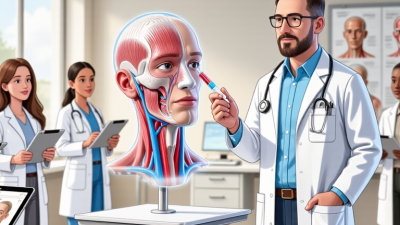
A strong aesthetician course begins with skin anatomy, consultation skills, sanitation, and careful client records. Students should learn to identify skin concerns, discuss realistic expectations, and refer clients when a concern falls outside their training. Practical sessions can use consultation forms, model case studies, and supervised practice on varied skin tones. The ISAPS 2023 Global Survey recorded 19.1 million nonsurgical aesthetic procedures worldwide. That figure signals a broad market, not permission for aestheticians to perform medical procedures. Training should clearly separate cosmetic services from regulated clinical work.
Hands-on assessment matters. Learners can practise cleansing, product application, patch-test procedures where appropriate, and aftercare explanations under an instructor’s observation. Device training should cover safe operation, maintenance, contraindications, and local scope-of-practice rules. For global buyers, course materials should explain which skills transfer across borders and which require local verification. Training is never perfectly linear. A checklist helps, but it cannot replace sound judgment.
Tips: Ask for a sample lesson plan, instructor credentials, supervised practice hours, and assessment criteria. Check that hygiene protocols and referral guidance are taught, not merely mentioned. One honest gap: course certificates alone may not establish permission to practise in another country.
Admission Requirements, Certificates, and Recognition
For global buyers considering aesthetician training in China, admission rules differ by school and course level.
Providers may request proof of prior education, identification, and basic English or Chinese proficiency. Some beginner programs accept applicants without salon experience; advanced classes may expect documented practice.
Ask for the exact entry checklist before paying any deposit. Ask for specifics.
Check how much supervised practice the course includes. A schedule should state training hours, assessment methods, and which skills are taught. For example, ask whether learners practice skin consultation, sanitation routines, and equipment handling on models under an instructor’s supervision.
Course pages can be vague; request written details rather than filling gaps with assumptions. Keep copies.
A completion certificate confirms course participation or assessment, but it is not automatically a professional license. Recognition depends on the destination country, employer, and local rules. Before enrolling, ask for a sample certificate, its language, the issuing institution, and a transcript showing hours and results. Then confirm acceptance with the relevant local authority or employer.
Training quality varies, too; a polished certificate cannot demonstrate every practical skill, and that limitation deserves honest attention.
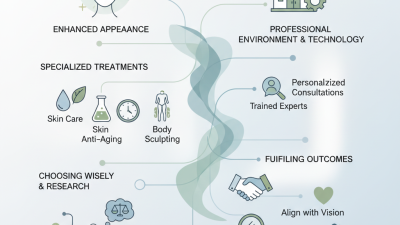
How Global Buyers Can Compare and Select Courses
Global buyers comparing aesthetician training courses should examine learning outcomes, not polished course titles. McKinsey’s 2023 beauty-market analysis estimated the global beauty market at about $430 billion in 2022 and projected it could reach $580 billion by 2027. That growth makes practical, client-focused skills valuable, but market size alone cannot prove a course is effective.
Compare course hours, instructor qualifications, supervised practice, assessment methods, and post-course support. Ask for a sample lesson and a clear breakdown of theory versus hands-on training. Strong courses explain skin assessment, hygiene, consultation, record keeping, and how to recognize when a client needs referral. Check whether certificates describe the skills assessed, rather than implying universal professional recognition. One limitation: a polished syllabus cannot prove teaching quality. Request recent learner feedback, and ask how instructors correct technique during practice. A simple detail matters: learners should know what feedback they receive after a treatment demonstration.
Tips: Compare at least three syllabuses using the same checklist. Confirm class size, equipment access, language support, total costs, and refund terms in writing. Ask how practical competence is measured. If answers stay vague, pause and investigate.